Hey everyone! As someone who’s spent years observing and engaging with the heartbeat of our cities, I’ve personally seen the incredible challenges urban planners face every single day.
From navigating the complexities of sustainable development in rapidly growing metropolises to reimagining public spaces for a post-pandemic world, it’s clear that the old playbooks just aren’t cutting it anymore.
We’re talking about everything from crafting resilient coastlines in the face of rising seas to figuring out how to make our urban centers truly equitable and livable for everyone, regardless of their background or income.
It’s a daunting task, for sure, but also one filled with immense potential for innovation. The truth is, truly impactful urban planning isn’t just about drawing lines on a map; it’s about connecting with communities, understanding their unique needs, and then, most importantly, finding genuinely creative ways to solve problems that often seem insurmountable.
I’ve realized over time that the real magic happens when we step outside conventional thinking and embrace a fresh perspective, turning obstacles into opportunities for truly transformative change.
So, if you’re curious about how urban planning is evolving and want to discover some game-changing approaches, let’s dive into some truly fascinating strategies below!
Fostering Authentic Community Engagement: The True North Star
It’s easy to talk about community engagement, but honestly, putting it into practice in a way that genuinely empowers residents and doesn’t just check a box?
That’s where the real challenge and incredible opportunity lies. I’ve personally sat in countless meetings where plans felt imposed rather than co-created, and trust me, you can feel the disconnect.
The game-changer here is moving beyond traditional public hearings – which often only attract a vocal minority – and diving deep into diverse, accessible, and iterative engagement methods.
Think about pop-up workshops in local parks, digital platforms that are actually user-friendly, or even using virtual reality to let people “walk through” proposed designs before a single brick is laid.
When communities feel heard and see their ideas woven into the fabric of a project, the ownership and success rate skyrockets. It’s not just about gathering input; it’s about building lasting relationships and recognizing that local knowledge is often the most valuable resource we have.
This approach isn’t always the quickest, but from my experience, it’s the one that delivers the most impactful and beloved results, leading to spaces that truly reflect the soul of a neighborhood.
I’ve seen projects flounder when this step is missed, and soar when it’s truly embraced.
Beyond Town Halls: Innovative Engagement Tactics
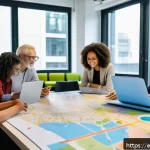
To really get a pulse on what a community needs and dreams of, we’ve got to step outside the stuffy conference rooms. I’ve witnessed amazing success with what I call “planning charrettes” – intensive, collaborative design sessions that bring together experts, residents, and stakeholders for a few days to brainstorm and prototype solutions in real-time.
It’s messy, it’s intense, and it’s incredibly effective at breaking down silos and sparking innovation. Another powerful tool is asset-based community development, where instead of focusing on deficits, we identify and leverage existing strengths within a neighborhood – its people, its institutions, its unique cultural heritage.
This shifts the narrative from “what’s wrong here” to “what can we build upon,” which is a far more empowering starting point for everyone involved.
Empowering Local Voices in Design
Ultimately, true engagement means sharing power. It means recognizing that residents are the ultimate experts of their own lived experiences. I remember working on a project in a historically underserved neighborhood where the initial plans felt so sterile and top-down.
By bringing in local artists, small business owners, and community elders to literally co-design elements of a new public square, the entire project transformed.
Suddenly, it wasn’t just a square; it was a vibrant, culturally rich hub that celebrated their history and vision. This kind of authentic co-creation not only yields more relevant and resilient designs but also builds social capital and strengthens the community from within.
Reimagining Public Spaces for a Dynamic Urban Life
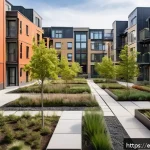
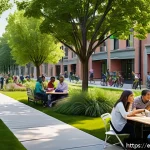
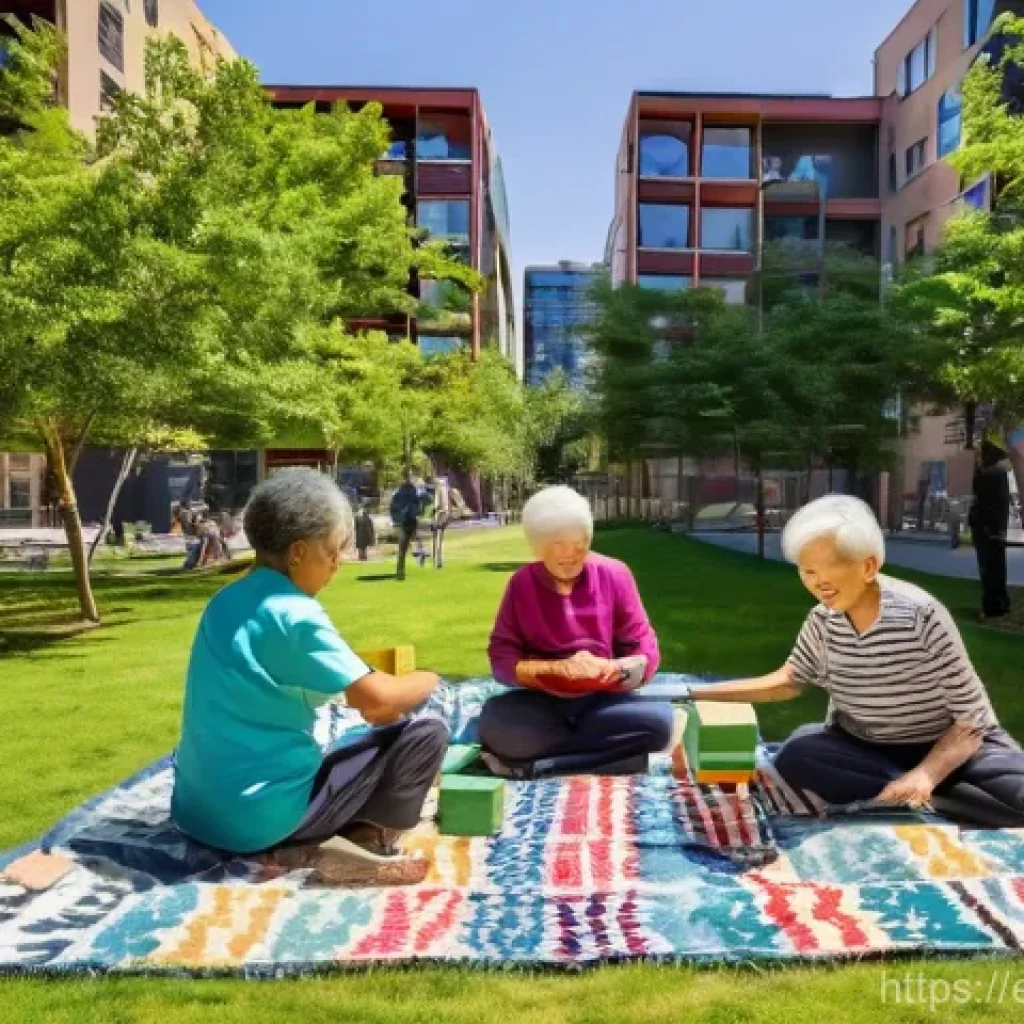
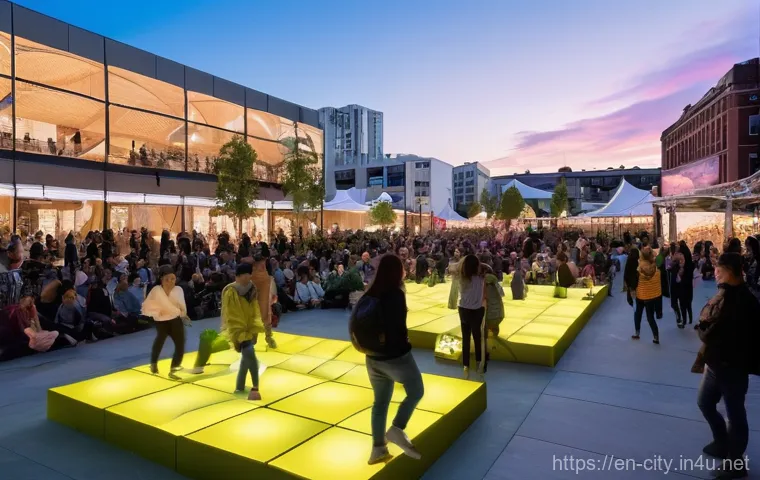
The way we use and interact with public spaces has shifted dramatically, especially in recent years. What was once just a park or a plaza now needs to be a multi-functional, adaptable, and inclusive arena for everything from pop-up markets to quiet contemplation.
I’ve often thought about how many city squares feel empty after 5 PM, or how some parks are beautiful but don’t really invite diverse activities. The real challenge is designing spaces that are not only aesthetically pleasing but also truly responsive to the ever-changing needs of urban dwellers.
This means thinking about flexible infrastructure, like modular seating that can be rearranged for events, or programmable lighting that changes the ambiance from day to night.
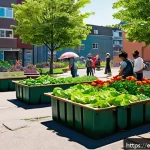
It also means bringing in elements that foster a sense of belonging and play, regardless of age or ability. I’ve personally seen how a simple addition of a community garden or an outdoor art installation can completely revitalize an underutilized area, turning it into a cherished local hotspot.
It’s about creating destinations that aren’t just passed through, but genuinely experienced and enjoyed, encouraging longer dwell times and spontaneous interactions.
Activating Underutilized Urban Nooks
Every city has those forgotten corners – a narrow alley, a vacant lot, a neglected waterfront. These are not just empty spaces; they’re canvases for creative transformation.
I’m a huge advocate for tactical urbanism, which involves low-cost, temporary interventions that test out new ideas for public space activation. Think about a temporary pedestrian plaza replacing a parking lane, or a vibrant mural brightening a drab wall.
These small-scale, often citizen-led projects can demonstrate the potential of a space and gather crucial feedback before larger, more permanent investments are made.
It’s an agile approach that allows for experimentation and quick wins, bringing life to areas that were once overlooked.
Designing for Inclusivity and Diverse Needs
A truly great public space isn’t just beautiful; it’s accessible and welcoming to *everyone*. This means going beyond basic ADA compliance to consider the needs of parents with strollers, seniors, children, people with sensory sensitivities, and individuals from all walks of life.
I’ve been so impressed by designs that incorporate sensory gardens, universal design play areas, or even quiet zones for those seeking respite from the urban hustle.
It’s about creating layers of experience and ensuring that the design actively breaks down barriers, both physical and social, fostering a sense of shared ownership and enjoyment for the entire community.
Leveraging Smart Technology for Smarter Cities
When I first started in urban planning, “smart city” felt like a futuristic concept from a sci-fi novel. Now, it’s very much our reality, and it’s exhilarating to see how technology is helping us tackle incredibly complex urban challenges.
We’re talking about using data, sensors, and interconnected systems to make our cities more efficient, sustainable, and responsive. From optimizing traffic flow with real-time sensor data to managing waste more effectively, the potential is truly immense.
I’ve personally seen how a city’s investment in a robust IoT network can dramatically improve everything from air quality monitoring to public safety.
It’s not just about deploying gadgets; it’s about integrating these tools thoughtfully to create a more intuitive and functional urban environment for residents.
However, it’s crucial that we remember the “human” in “smart city” – technology should always serve people, not the other way around.
Data-Driven Insights for Better Decisions
One of the most exciting aspects of smart city technology for me is the ability to gather and analyze vast amounts of data. This isn’t just for traffic or utilities; it’s about understanding how people move, interact with spaces, and consume resources.
Imagine being able to see, in real-time, which public transport routes are overcrowded, or where green spaces are underutilized. This kind of granular insight allows planners to make evidence-based decisions, moving away from guesswork and towards highly targeted interventions.
I’ve been involved in projects where pedestrian flow data completely reshaped a public plaza design, making it far more intuitive and enjoyable for users.
It truly takes the guesswork out of design.
Ethical Considerations and Digital Equity
While the allure of a fully connected city is strong, it’s absolutely vital that we address the ethical implications and ensure digital equity. Not everyone has access to technology, and privacy concerns are paramount.
As planners, we have a responsibility to ensure that smart city initiatives benefit *all* residents, not just a select few. This means investing in public Wi-Fi, providing digital literacy programs, and establishing clear guidelines for data collection and usage.
My personal take is that a smart city isn’t truly smart if it leaves a significant portion of its population behind, or if its technologies compromise individual privacy.
Transparency and public trust are non-negotiable.
Building Resilience: Preparing Our Cities for Tomorrow’s Challenges
If there’s one thing I’ve learned from observing urban development over the years, it’s that unexpected challenges are a constant. From extreme weather events becoming more frequent to global health crises reshaping our daily lives, cities need to be designed with resilience at their core.
This isn’t just about bouncing back; it’s about adapting, evolving, and thriving in the face of adversity. I’ve been fascinated by how different cities are embracing “green infrastructure” – things like rain gardens, permeable pavements, and urban forests – not just for aesthetics, but as vital tools for managing stormwater, improving air quality, and mitigating urban heat islands.
It’s a holistic approach that recognizes the interconnectedness of our environment and our urban systems. The investment in resilient design today saves exponentially more in disaster recovery tomorrow, a truth I’ve seen play out tragically in many communities that weren’t adequately prepared.
Integrating Nature-Based Solutions
My absolute favorite aspect of resilient design is the increasing recognition of nature-based solutions. It’s like our cities are learning to breathe again by integrating natural systems.
Instead of solely relying on concrete and pipes to manage water, we’re seeing beautiful, functional wetlands being created, or large-scale tree planting initiatives that double as air purifiers and cooling agents.
I remember visiting a city where they had converted an old industrial canal into a vibrant linear park that also acted as a major stormwater retention system during heavy rainfall.
It was a perfect blend of ecological benefit and public amenity – a true win-win that made me think, “Why aren’t we doing this everywhere?”
Planning for Climate Change Adaptation
Climate change isn’t a distant threat; it’s here, and it’s impacting our urban landscapes in profound ways. This means that urban planners need to be at the forefront of adaptation strategies.
For coastal cities, this might involve managed retreat or innovative coastal protection measures. For inland areas, it could be about designing heat-resilient neighborhoods with more shade and water features.
I find it incredibly inspiring when communities come together to develop comprehensive climate action plans, often led by dedicated local professionals who understand the unique vulnerabilities and strengths of their region.
It’s about proactive, forward-thinking design that secures the future livability of our cities.
Innovating Urban Mobility: Beyond the Car-Centric Paradigm
Let’s be real, for decades, our cities were largely designed around the automobile. But as traffic congestion worsens, air quality declines, and our focus shifts to sustainability and well-being, that paradigm is rapidly changing.
And honestly, it’s about time! I’ve personally experienced the frustration of being stuck in gridlock, and it really makes you question the sanity of our current systems.
The exciting part is seeing so many innovative solutions emerging that are rethinking how we move around our urban environments. From expanding robust public transit networks to championing active transport like cycling and walking, and even exploring the potential of micro-mobility and autonomous vehicles, the future of urban movement is looking incredibly diverse and efficient.
It’s not just about getting from A to B faster; it’s about creating healthier, more enjoyable, and more equitable ways for everyone to navigate their city.
This shift can dramatically improve quality of life and even boost local economies by making areas more accessible.
Embracing Multi-Modal Transportation Networks
The key to a truly effective urban mobility system isn’t just one solution; it’s a network of complementary options. I’m a huge believer in what we call “multi-modal” planning, where walking, cycling, public transit, and even ride-shares seamlessly integrate.
Imagine a world where you can cycle to a train station, hop on a clean electric bus, and then use an e-scooter for the last mile – all with a single, integrated payment system.
This not only reduces reliance on private cars but also opens up urban areas to a wider range of people, boosting accessibility and fostering a more vibrant street life.
I’ve seen firsthand how cities that prioritize this approach become far more pleasant and efficient places to live.
Designing for Active Transportation and Pedestrian Priority
One of the simplest yet most impactful shifts we can make is to prioritize pedestrians and cyclists. For too long, sidewalks felt like an afterthought and bike lanes were often an afterthought, if they existed at all.
Now, forward-thinking cities are investing heavily in wide, shaded pedestrian pathways, dedicated and protected bike lanes, and “complete streets” initiatives that ensure all road users are safely accommodated.
I love seeing vibrant streetscapes where people feel comfortable walking, cycling, or just lingering. It’s not just about health and environment; it’s about creating livelier, more human-scaled urban experiences.
When you design for people on foot, you design for everyone.
Cultivating Economic Vibrancy and Equitable Growth
A truly thriving city isn’t just one that looks good; it’s one where everyone has a genuine opportunity to prosper. For me, urban planning isn’t just about infrastructure; it’s deeply entwined with fostering economic vitality and ensuring that growth is equitable.
I’ve seen the pitfalls of development that only benefits a few, leading to displacement and growing inequalities. The real challenge is to create strategies that support local businesses, cultivate diverse economies, and ensure that new developments genuinely serve the existing community.
This often means embracing mixed-use zoning, encouraging local entrepreneurship, and investing in affordable housing alongside commercial projects. It’s a delicate balance, but one that is absolutely crucial for the long-term health and stability of our urban centers.
I get so much satisfaction from seeing planning decisions directly translate into tangible benefits for local residents and small businesses.
Supporting Local Economies and Small Businesses
Big box stores and national chains have their place, but the true heart of a local economy often lies with its independent businesses. As planners, we can create environments that help these vital enterprises thrive.
This includes things like flexible zoning that allows for pop-up shops, incubators for new entrepreneurs, and public markets that celebrate local produce and crafts.
I’ve personally advocated for initiatives that reduce bureaucratic hurdles for small businesses, making it easier for them to set up shop and contribute to the unique character of a neighborhood.
When you support local, you’re not just buying a product; you’re investing in your community’s identity and resilience.
Inclusive Development and Affordable Housing Solutions
One of the most pressing challenges in many rapidly growing cities is the lack of affordable housing and the risk of displacement. Equitable urban planning must actively address this.
This isn’t just about building more units; it’s about strategic placement, diverse housing types, and policies that protect vulnerable residents. I’ve been really impressed by cities implementing inclusionary zoning, which mandates a certain percentage of affordable units in new developments, or community land trusts that keep housing permanently affordable.
It’s a complex issue, but one where creative planning can make a profound difference in ensuring our cities remain welcoming and accessible to everyone, regardless of their income.
The Art of Adaptive Reuse: Breathing New Life into Old Structures
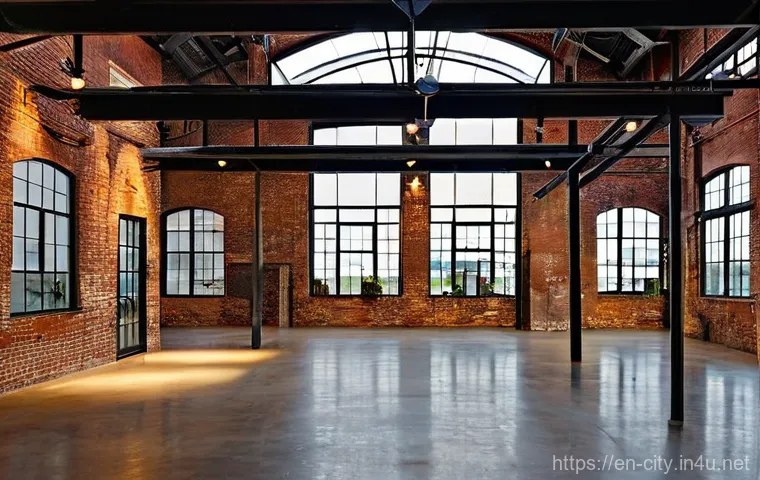
There’s something incredibly poetic about adaptive reuse, isn’t there? Taking an old, often forgotten building and transforming it into something new and vibrant, while still honoring its history – it’s a sustainable, creative, and often economically savvy approach to urban development.
I’ve walked through so many former factories now bustling with artists’ studios, or old schools that have become community centers, and each time I’m just amazed by the vision and ingenuity.
It’s not just about being green; it’s about preserving the unique character and story of a place, avoiding the sterile uniformity that can sometimes accompany entirely new construction.
Plus, it just feels *good* to save a piece of history and give it a new purpose. It offers a tangible connection to the past while boldly stepping into the future, and I think that’s a really powerful message for any city.
Preserving History While Embracing Modernity
The beauty of adaptive reuse lies in its ability to marry old with new. It’s not about freezing a building in time, but about respecting its architectural integrity and historical significance while introducing contemporary functions and amenities.
I’ve seen fantastic examples where original brickwork is exposed, or vintage industrial elements are repurposed as design features, creating spaces with incredible character that simply can’t be replicated in new builds.
This approach not only conserves resources but also enriches the urban fabric, giving our cities a layered, more interesting narrative. It’s a testament to the idea that our past can inform and inspire our future, rather than hinder it.
Economic and Environmental Benefits of Transformation
Beyond the aesthetic and historical appeal, adaptive reuse offers significant economic and environmental advantages. From an environmental perspective, reusing existing structures dramatically reduces construction waste and the energy consumption associated with manufacturing new materials.
Economically, these projects often revitalize neighborhoods, attracting new businesses and residents to areas that might have been overlooked. I’ve witnessed how a single successful adaptive reuse project can become an anchor for broader neighborhood regeneration, sparking a ripple effect of investment and activity.
It’s a smart investment that pays dividends in more ways than one.
| Creative Urban Planning Strategy | Key Benefits for Cities & Residents | Example of Impact |
|---|---|---|
| Community-Driven Design | Increased civic ownership, stronger social cohesion, tailored solutions. | Public park designed with resident input becomes a beloved, heavily utilized community hub. |
| Multi-Functional Public Spaces | Enhanced usability, increased dwell time, vibrant street life, economic opportunities. | A city plaza transforms from an empty space into a versatile venue for markets, concerts, and daily recreation. |
| Smart City Technology Integration | Improved efficiency, better resource management, enhanced safety, data-driven decision-making. | Real-time traffic sensors reduce congestion by 20% during peak hours, improving commutes. |
| Nature-Based Resilience Solutions | Climate adaptation, improved air/water quality, biodiversity, enhanced public well-being. | Urban wetlands mitigate flooding during heavy rains while providing habitat for local wildlife. |
| Pedestrian-Prioritized Mobility | Healthier lifestyles, reduced pollution, increased local business foot traffic, safer streets. | Expanded pedestrian zones boost retail sales and reduce vehicle-related accidents by 30%. |
| Adaptive Reuse of Buildings | Historical preservation, reduced waste, unique character, neighborhood revitalization. | A derelict warehouse becomes a thriving arts district, attracting new businesses and cultural events. |
Wrapping Things Up
Whew! We’ve covered a lot, haven’t we? From the nitty-gritty of fostering genuine community bonds to the dazzling potential of smart tech and the quiet power of adaptive reuse, it’s clear that urban planning today is far from a one-size-fits-all endeavor. What truly gets me excited is seeing how these diverse strategies, when thoughtfully interwoven, can create cities that are not just functional, but truly soulful, equitable, and resilient. My journey through countless urban projects has taught me that the most impactful transformations happen when we listen intently, innovate boldly, and always keep the human experience at the heart of every design decision. It’s a continuous, evolving process, but one that promises a brighter, more engaging future for all of us who call these dynamic urban landscapes home. Keep those conversations going, because that’s where the real magic happens!
Useful Insights to Keep in Mind
1.
True community engagement goes far beyond traditional town halls; seek out diverse, accessible methods like pop-up workshops or user-friendly digital platforms to genuinely involve residents and build lasting trust. Their insights are invaluable. You’ll find that when people feel a true sense of ownership, projects flourish in ways you wouldn’t expect.
2.
Public spaces are no longer just static amenities; they need to be dynamic, multi-functional arenas that adapt to diverse urban needs. Think flexible infrastructure, sensory elements, and designs that encourage longer dwell times and spontaneous interactions, creating cherished local hotspots for everyone.
3.
Smart city technology, while exciting, must prioritize ethical considerations and digital equity. Remember, technology should serve people, not the other way around, ensuring benefits reach all residents and privacy is always protected. Transparency builds confidence in new systems.
4.
Building urban resilience means integrating nature-based solutions and proactively planning for climate change adaptation. Green infrastructure like rain gardens and urban forests aren’t just pretty; they’re vital tools for managing environmental challenges and securing the long-term livability of our cities.
5.
The future of urban mobility is multi-modal, prioritizing active transportation and seamless integration of various options. Shifting away from car-centric design creates healthier environments, boosts local economies, and fosters more enjoyable and equitable ways for everyone to navigate their city, truly enhancing the quality of life.
Key Takeaways for a Thriving Urban Future
To truly build cities that stand the test of time and enrich the lives of their inhabitants, we absolutely must embrace a holistic and human-centered approach. My experience has shown me that the most successful urban transformations stem from genuinely fostering community engagement, where local voices actively shape their environments rather than passively receiving them. We’ve also seen how reimagining our public spaces to be versatile and inclusive, coupled with smart technology that responsibly serves all citizens, is paramount. Moreover, integrating nature-based solutions into our infrastructure is no longer optional; it’s a critical strategy for building resilience against future challenges. Finally, prioritizing diverse, multi-modal transportation systems and actively cultivating equitable economic growth ensures that our cities are vibrant, accessible, and prosperous for everyone. It’s a complex puzzle, but by focusing on these core principles, we can design urban landscapes that are not just sustainable and efficient, but deeply connected to the people who call them home, making them truly magnetic places to live, work, and play.
Frequently Asked Questions (FAQ) 📖
Q: With so many cities growing at lightning speed, how are urban planners actually making sure development is sustainable and not just building concrete jungles?
A: Oh, this is a question I hear all the time, and honestly, it’s one of the biggest challenges our cities face. From what I’ve observed firsthand, it’s a delicate dance between accommodating new residents and preserving, or even enhancing, the natural environment.
What I’ve seen making a real difference are approaches that embed sustainability right into the core design. Think about “green infrastructure” – not just a few trees, but entire systems like extensive rooftop gardens that manage stormwater, or permeable pavements that help water seep back into the ground rather than overwhelming our drains.
I remember visiting a new development just outside Denver where they integrated a massive community farm right into the housing plan, and it wasn’t just pretty; it actually provided fresh produce for residents, cutting down on food miles.
Another game-changer is focusing on mixed-use developments, which basically means putting homes, shops, and offices all within walking distance. This drastically cuts down on car dependency, which is huge for reducing emissions.
It’s about building smarter, not just bigger, and honestly, the best projects I’ve seen feel like they’re part of the landscape, not fighting against it.
Q: The pandemic really changed how we use public spaces. What new ideas are urban planners bringing to the table to make these spaces truly inviting and functional for everyone now?
A: That’s such a crucial point! I think the pandemic really shone a spotlight on how much we need accessible, well-designed public spaces for our mental and physical well-being.
What I’ve seen emerging are designs that prioritize flexibility and genuine community interaction. Forget those static, “look but don’t touch” plazas.
Nowadays, it’s about creating spaces that can adapt. We’re seeing more “pop-up” parks in underutilized lots, and cities experimenting with temporarily closing streets to cars for pedestrian-only days or weekend markets.
I was in a town in New England last summer where they’d completely transformed their main street into a vibrant outdoor dining and gathering area after 5 PM, and the energy was just infectious!
Planners are also focusing heavily on things like ample seating, shade structures, and integrating public art that encourages engagement. My favorite trend is definitely the move towards “co-design,” where communities are actively involved in shaping their local parks and squares from the very beginning.
When people have a hand in creating something, they cherish and use it so much more. It’s about making these places feel like extensions of our own homes, but for the entire community.
Q: You mentioned making cities “truly equitable and livable for everyone.” What does that really look like on the ground, and what are some creative strategies being used to bridge those divides?
A: This is probably the most vital aspect of modern urban planning, and it’s something I feel very strongly about. From my perspective, “equitable and livable” means that every single person, regardless of their background or income, has fair access to everything they need to thrive: safe housing, healthy food, good jobs, quality education, green spaces, and reliable transportation.
It’s about breaking down barriers that have historically separated communities. One strategy I’ve seen gain incredible traction is the “15-minute city” concept.
Imagine being able to walk or bike to your grocery store, doctor’s office, school, and even work within 15 minutes! This drastically reduces reliance on cars and opens up opportunities for everyone.
Another creative approach is addressing food deserts by supporting community gardens and local farmers’ markets in underserved areas. I also love what some cities are doing with “inclusionary zoning,” which mandates that new housing developments include a certain percentage of affordable units.
It’s not just about building more affordable housing, but about ensuring that all neighborhoods have a mix of income levels, fostering stronger, more diverse communities.
Ultimately, it boils down to truly listening to the diverse voices within a city and then finding innovative, often surprisingly simple, ways to ensure everyone has a fair shot at a good life.