As cities continue to expand at an unprecedented pace, urban planners face the complex task of balancing growth with sustainability and livability. From managing housing demands to integrating green spaces, their daily decisions shape the future of our communities in ways most of us rarely consider.
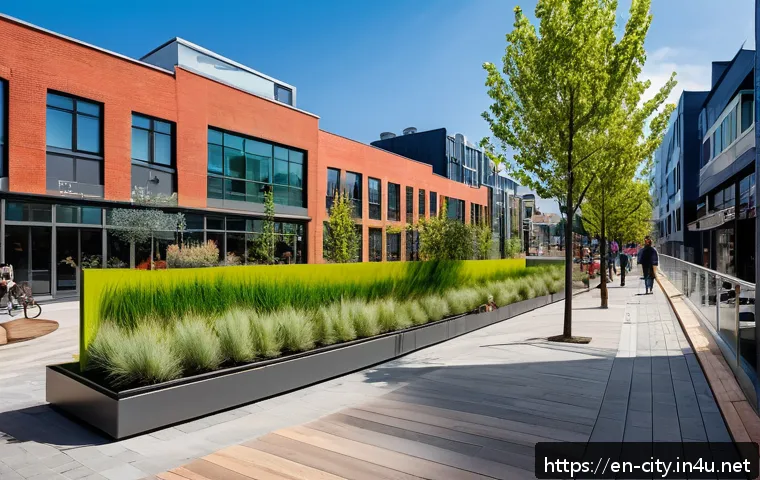
Lately, issues like climate resilience and affordable housing have taken center stage, making the planner’s role more critical than ever. Join me as we step inside the mind of an urban planner, exploring the challenges and innovations that drive city development today.
This journey reveals not just strategies but the human stories behind the blueprints we all live by. Whether you’re curious about how your city evolves or interested in the future of urban life, this glimpse offers valuable insights you won’t want to miss.
Rethinking Urban Growth: Balancing Density and Quality of Life
The Art of Smart Density
In many rapidly growing cities, planners face the tightrope walk of increasing housing availability without sacrificing livability. It’s not just about stacking buildings higher or packing more units into a block; it’s about thoughtful design that considers sunlight, airflow, and community spaces.
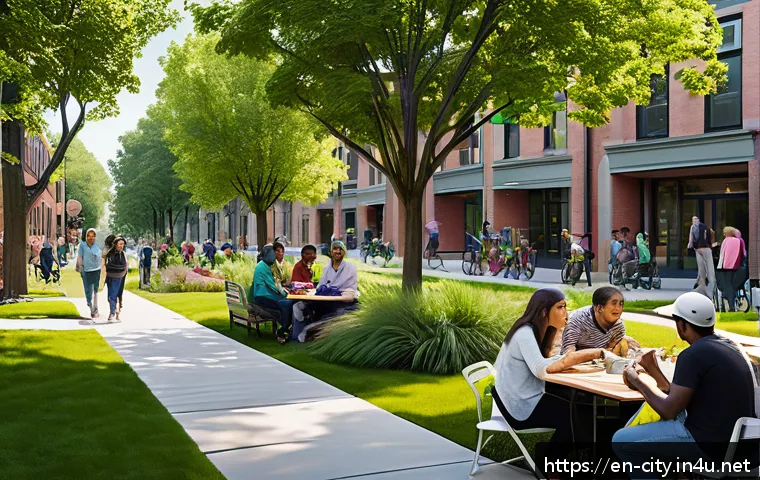
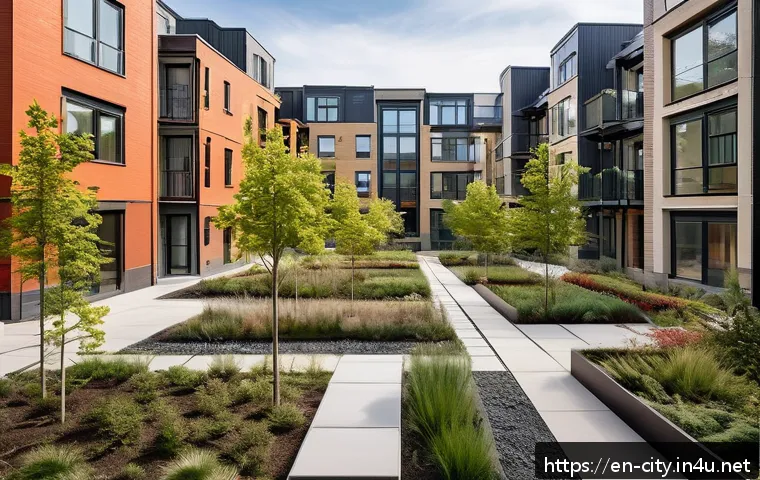
For example, I recently worked on a project where we shifted from traditional high-rise blocks to mid-rise clusters with shared green courtyards. This approach not only eased the feeling of overcrowding but encouraged neighborly interactions, which can be surprisingly rare in dense urban environments.
It’s a subtle but powerful way to make density feel less like a burden and more like a vibrant community fabric.
Preserving Neighborhood Character Amid Change
One of the trickiest parts of urban planning is respecting the existing character of neighborhoods while accommodating new growth. This involves listening deeply to residents’ stories and concerns — something that often gets lost in spreadsheets and zoning codes.
I recall a neighborhood where residents feared losing their historic identity to new developments. By incorporating local architectural styles and materials into new buildings, and by preserving key landmarks, we found a middle ground that honored heritage while welcoming newcomers.
This balance is essential because it builds trust, which is the foundation for any successful urban evolution.
Innovative Zoning for Mixed-Use Vibrancy
Zoning laws can either strangle a city’s potential or unleash its creativity. I’ve seen firsthand how flexible zoning that encourages mixed-use developments—combining residential, retail, and office spaces—can breathe life into otherwise dull districts.
Mixed-use zones reduce commutes, increase foot traffic for local businesses, and create safer streets through constant activity. A project I was involved in transformed an underutilized industrial area into a lively neighborhood with shops, apartments, and co-working spaces, all within walking distance.
This kind of innovation requires planners to think beyond conventional boundaries and embrace multifunctionality as the new norm.
Designing Green Spaces That Truly Serve Communities
Beyond Parks: Integrating Nature Into Daily Life
Green spaces in cities aren’t just about aesthetics—they’re vital for mental health, biodiversity, and climate mitigation. But it’s easy to fall into the trap of creating parks that are beautiful but underused or disconnected from community needs.
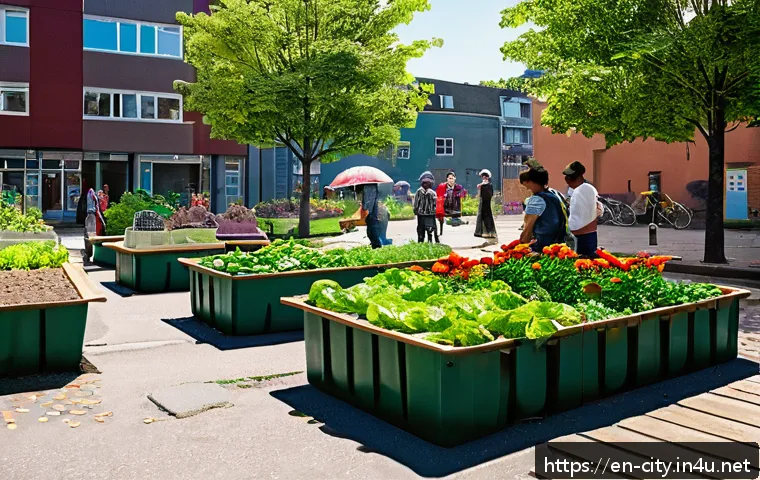
My experience shows that the most successful green spaces are those designed with user input, where people can relax, exercise, and socialize. In one urban park project, including community gardens and outdoor fitness areas led to a dramatic increase in daily visitors.
It’s about creating spaces that feel welcoming and useful, not just pretty.
Green Infrastructure as Climate Armor
With climate change intensifying storms and heatwaves, integrating green infrastructure like rain gardens, permeable pavements, and urban forests is no longer optional—it’s a necessity.
I’ve seen how these elements reduce flooding, cool neighborhoods, and improve air quality. For instance, a stormwater management system incorporating bioswales and green roofs in a city prone to flash floods significantly decreased water runoff and property damage during heavy rains.
Implementing these solutions requires planners to collaborate closely with engineers, ecologists, and the community, crafting resilient urban ecosystems that safeguard people and property.
Accessibility and Equity in Green Space Distribution
One challenge I constantly grapple with is ensuring equitable access to green spaces across different neighborhoods. Too often, parks and recreational areas cluster in wealthier districts, leaving marginalized communities underserved.
Data-driven mapping of green space distribution helps identify gaps, but the human side involves engaging with residents to understand their unique needs and barriers.
In one city, prioritizing park creation in historically neglected areas not only improved health outcomes but fostered social cohesion and local pride.
Equity in green planning is about fairness and justice, not just geography.
Addressing Affordable Housing Without Compromise
The Complexity of Affordability
Affordable housing isn’t a one-size-fits-all issue; it’s layered with economic, social, and political complexities. From my work, I’ve learned that simply increasing supply doesn’t automatically translate to affordability if market pressures push prices up.
Creative financing tools, like community land trusts and inclusionary zoning, have proven effective ways to maintain affordability long-term. I remember a project where requiring developers to allocate a percentage of units as affordable led to a more diverse and stable neighborhood.
Balancing developer incentives with community needs requires nuanced policies and constant negotiation.
Innovative Housing Models Gaining Traction
Alternative housing solutions such as co-housing, micro-apartments, and modular construction are increasingly popular in addressing affordability and space constraints.
I’ve visited co-housing communities where residents share common facilities but maintain private living spaces, fostering social connections while reducing costs.
Modular housing, on the other hand, accelerates construction and cuts expenses, proving invaluable in crisis responses like post-disaster rebuilding. Exploring these models broadens the toolkit planners have for creating inclusive, affordable neighborhoods.
Policy and Community Engagement Synergy
Effective affordable housing strategies hinge on policy frameworks that actively involve the community. I’ve seen how transparent dialogue between planners, residents, and policymakers leads to solutions that reflect local priorities and mitigate opposition.
For example, organizing workshops and design charrettes early in the planning process helped a city refine its affordable housing plan, earning public support and reducing delays.
The takeaway is clear: engagement isn’t just a checkbox, it’s a foundation for sustainable urban development.
Transportation Innovations Shaping Urban Mobility
From Cars to People-Centered Streets
Shifting urban design away from car dominance toward pedestrian and cyclist-friendly streets is a priority I’m passionate about. Streets designed with wide sidewalks, protected bike lanes, and traffic calming measures create safer, more inviting public spaces.
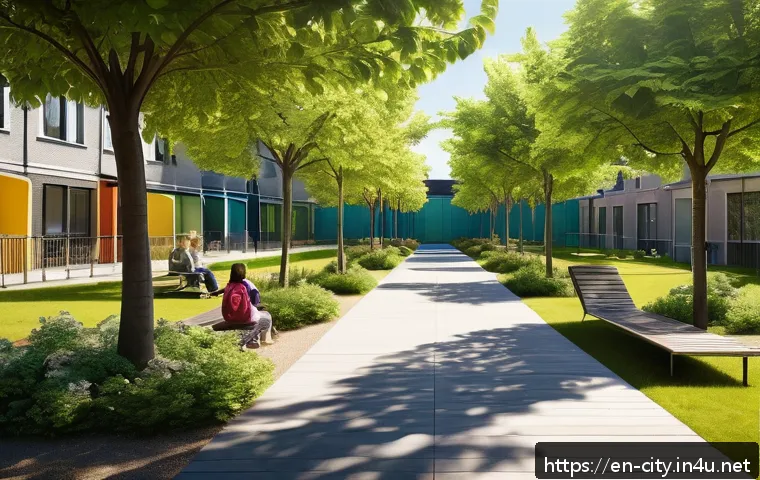
In one city, transforming a major thoroughfare into a “complete street” dramatically increased foot traffic and local business revenue. It takes bold vision and political will, but the payoff is a more human-scale city where movement feels natural and enjoyable.
Integrating Public Transit and New Technologies
Modern transit systems are evolving rapidly with technology like real-time tracking, electric buses, and even autonomous shuttles. My involvement in transit planning projects highlights how integrating these technologies can improve efficiency and user experience, encouraging more people to leave their cars behind.
A pilot program with electric buses in a congested urban corridor cut emissions and noise pollution significantly, making the neighborhood more livable.
The key is seamless connectivity and accessibility for all demographics.
Last-Mile Solutions and Micro-Mobility
Bridging the “last mile” between transit stops and final destinations remains a challenge. Micro-mobility options such as e-scooters, bike-share programs, and pedestrian-friendly routes offer flexible, low-cost solutions.
I’ve observed how cities that regulate and integrate these options thoughtfully see higher transit ridership and reduced congestion. Planning for micro-mobility requires adapting infrastructure and policies to ensure safety and equity, but it’s a vital step toward a sustainable urban transport future.
Technology’s Role in Data-Driven Urban Planning
Leveraging Big Data for Smarter Decisions
Data analytics has transformed urban planning from a guesswork exercise into a precision craft. Using sensors, satellite imagery, and mobile data, planners can understand traffic patterns, land use changes, and environmental impacts in real time.
In my recent project, analyzing pedestrian flow data helped redesign a public plaza to accommodate peak usage, improving safety and comfort. However, it’s crucial to balance data insights with human judgment, ensuring that numbers don’t overshadow lived experiences.
Public Participation Through Digital Platforms
Digital tools have expanded how planners engage with communities, making participation more accessible and interactive. Online surveys, virtual town halls, and mapping apps allow residents to share feedback conveniently.
I’ve seen these tools increase inclusivity, especially for people unable to attend in-person meetings due to work or caregiving responsibilities. Still, digital engagement must be complemented by traditional outreach to avoid excluding those without internet access.
Challenges of Privacy and Equity in Tech Adoption
While technology offers many benefits, it also raises concerns about privacy and data security. Ensuring that collected data is anonymized and used ethically is a responsibility planners must take seriously.
Moreover, not all communities have equal access to technology, risking a digital divide in participation and benefits. Addressing these challenges requires transparent policies and proactive efforts to bridge technological gaps, making sure innovations serve everyone fairly.
Table: Key Urban Planning Strategies and Their Community Benefits
| Strategy | Primary Goal | Community Benefit | Example Application |
|---|---|---|---|
| Smart Density | Increase housing capacity thoughtfully | Enhanced social interaction and livability | Mid-rise clusters with shared green spaces |
| Mixed-Use Zoning | Combine residential and commercial uses | Reduced commutes, vibrant neighborhoods | Transforming industrial areas into live-work-play districts |
| Green Infrastructure | Climate resilience and environmental health | Flood reduction, cooler microclimates | Bioswales and green roofs for stormwater management |
| Affordable Housing Policies | Ensure long-term housing access | Social diversity and economic stability | Inclusionary zoning and community land trusts |
| Complete Streets | Prioritize pedestrians and cyclists | Safer, more attractive public spaces | Wide sidewalks and protected bike lanes |
| Data-Driven Planning | Inform design with real-time insights | Responsive, user-centered urban spaces | Pedestrian flow analysis for plaza redesign |
Building Community Trust Through Transparency and Collaboration
Listening as a Foundational Practice
Urban planning isn’t just about blueprints and regulations—it’s a deeply human process grounded in listening. From my early days in the field, I realized that genuine engagement means creating spaces for honest dialogue, where residents feel heard and valued.
This often involves going beyond formal meetings and meeting people where they are—in local cafes, community centers, or even on the streets. Building trust takes time, but it pays dividends in smoother project implementation and stronger neighborhoods.
Collaborative Problem Solving in Action
When communities are involved as partners, the solutions developed are often more creative and better suited to local contexts. I’ve facilitated workshops where residents, business owners, and city officials brainstorm together, leading to unexpected ideas that professionals alone might not consider.
For instance, a shared parking plan emerged from such a session, easing tensions over scarce spaces while supporting local commerce. Collaboration fosters ownership and pride, turning planning from a top-down exercise into a collective journey.
Transparency as a Trust Builder
Transparency about goals, constraints, and trade-offs is essential to avoid misunderstandings and cynicism. I make it a point to explain why certain decisions are made, what compromises are necessary, and how feedback influences outcomes.
This openness builds credibility and helps manage expectations realistically. In one case, clear communication around budget limitations prevented opposition from escalating, allowing the project to proceed with community backing.
Transparency is not just ethical—it’s strategic for lasting success.
In Conclusion
Urban growth presents both challenges and opportunities, but thoughtful planning can harmonize density with quality of life. By prioritizing community input, innovative designs, and sustainable practices, cities can evolve into vibrant, inclusive places where people truly thrive. It’s about creating environments that balance progress with preserving what makes neighborhoods unique and welcoming.
Helpful Insights to Remember
1. Smart density should focus on human-centered design, fostering social connections rather than just increasing units.
2. Preserving neighborhood identity builds trust and encourages community support for new developments.
3. Mixed-use zoning enhances daily convenience and energizes local economies by blending residential and commercial spaces.
4. Green infrastructure is essential for climate resilience and improving urban health, but must be accessible to all.
5. Effective affordable housing depends on innovative policies combined with genuine community engagement to meet diverse needs.
Key Takeaways
Successful urban planning hinges on balancing growth with livability through inclusive, transparent processes. Thoughtful integration of technology, transportation, and green spaces supports resilient, equitable cities. Collaboration between planners, residents, and stakeholders ensures solutions are tailored, sustainable, and embraced by the community. Ultimately, creating cities that are both dynamic and humane requires continuous dialogue, creativity, and commitment.
Frequently Asked Questions (FAQ) 📖
Q: What are the biggest challenges urban planners face when trying to balance growth with sustainability?
A: One of the toughest challenges is managing the demand for new housing and infrastructure while preserving green spaces and minimizing environmental impact.
Planners often have to juggle competing priorities—like ensuring affordable housing availability without contributing to urban sprawl or pollution. From my experience, integrating climate resilience strategies, such as flood mitigation and energy-efficient designs, adds layers of complexity but is essential for future-proofing cities.
Q: How do urban planners address the issue of affordable housing in rapidly growing cities?
A: Affordable housing is a critical concern that requires creative, multi-faceted solutions. Planners collaborate with local governments and developers to implement zoning reforms, promote mixed-income communities, and incentivize affordable units within new developments.
Personally, I’ve seen success when planners actively engage with communities to understand their needs, ensuring policies don’t just build more units but create livable, inclusive neighborhoods.
Q: What role do green spaces play in modern urban planning, and why are they so important?
A: Green spaces are more than just parks—they’re vital for public health, social well-being, and environmental sustainability. Incorporating parks, urban forests, and community gardens helps reduce heat islands, improve air quality, and provide residents with essential recreational areas.
In my experience, cities that prioritize green infrastructure not only boost residents’ quality of life but also build stronger community ties and resilience against climate challenges.