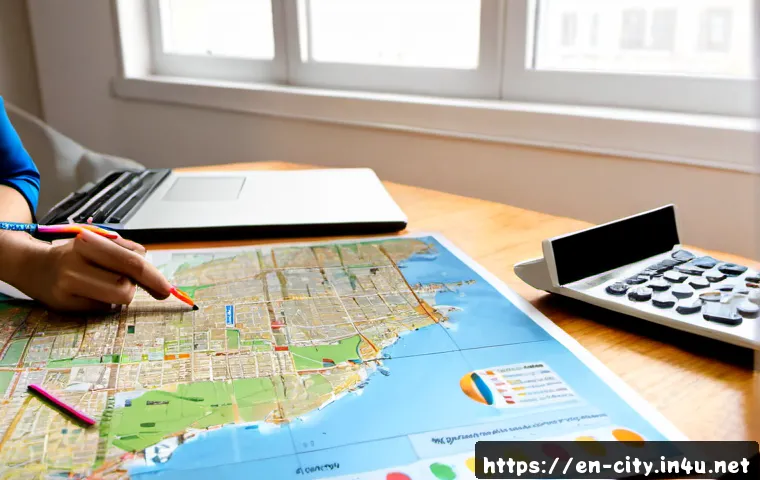
Urban planning often looks straightforward on paper, but anyone who’s spent time in the field knows the reality is far more complex. With cities evolving faster than ever, recent challenges like climate change, housing shortages, and infrastructure strain are pushing planners to rethink traditional approaches.
Navigating these hidden hurdles requires more than just technical skills—it demands creativity, community insight, and adaptability. In this post, I’ll share firsthand experiences and crucial lessons learned from urban planning projects, highlighting what truly works beyond the textbooks.
Whether you’re a professional or just curious, this exploration will shed light on the unseen struggles shaping our cities today.
Balancing Community Needs with Urban Growth
Listening Beyond the Obvious
In my experience, one of the trickiest parts of urban planning is truly hearing what communities need, which often goes beyond what’s initially voiced.
Residents might express concerns about noise or traffic, but underlying those are deeper issues like safety, access to green spaces, or affordable services.
It’s not enough to just conduct surveys or public meetings; you have to engage repeatedly and in different formats to capture the full picture. I’ve found that informal chats in local cafes or attending neighborhood events often reveal nuances that official forums miss.
This ongoing dialogue helps prevent plans that look good on paper but fail when implemented because they don’t reflect lived realities.
Negotiating Growth Without Losing Character
Urban growth is inevitable, but preserving a neighborhood’s character is essential for its identity and residents’ sense of belonging. I’ve worked on projects where developers push for high-density buildings that promise economic benefits, but communities resist due to fears of losing historic charm or overcrowding.
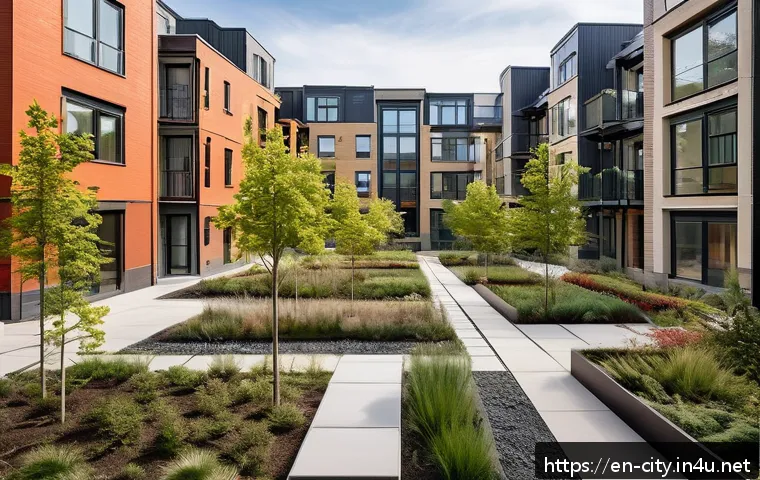
Striking a balance means creatively integrating new developments that complement existing architecture and culture. For example, using height limits, green buffers, or mixed-use zoning can soften the impact.
It’s a delicate dance that requires patience, empathy, and a willingness to iterate plans based on community feedback.
Managing Conflicting Interests
Sometimes, city planners are caught in the middle of conflicting interests between local governments, developers, and residents. I recall a project where a new transit hub promised to improve connectivity but threatened small businesses’ survival due to construction disruptions and rent hikes.
Addressing these conflicts involves transparent communication and finding win-win solutions, like phasing construction, offering temporary support to businesses, or including affordable commercial spaces in the design.
It’s a constant negotiation where no one gets everything but everyone feels heard and respected.
Integrating Climate Resilience into Urban Design
Designing for Extreme Weather
With climate change accelerating, urban planners must anticipate extreme weather events like floods, heatwaves, and storms. I’ve seen firsthand how traditional drainage systems fail during heavy rains, causing unexpected flooding in supposedly safe neighborhoods.
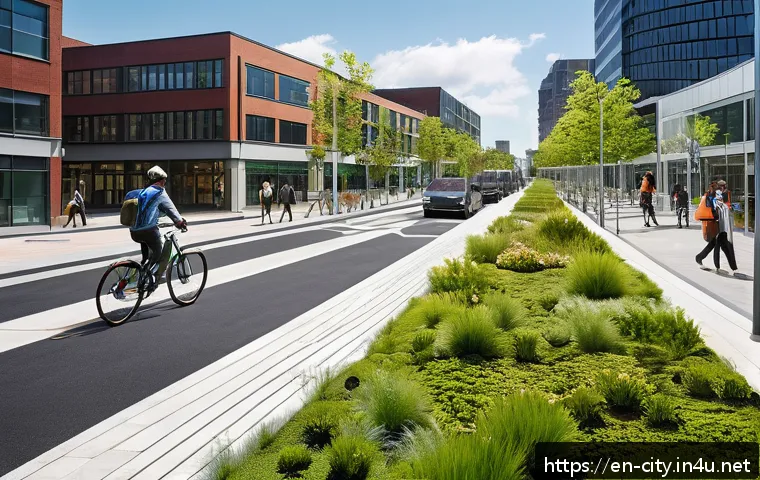
Incorporating green infrastructure—such as rain gardens, permeable pavements, and urban wetlands—helps absorb excess water and reduce heat islands. These solutions require upfront investment and cross-department collaboration but pay off by reducing long-term damage and enhancing residents’ quality of life.
Promoting Sustainable Transportation
Encouraging public transit, biking, and walking is critical to lowering carbon footprints and easing traffic congestion. However, making these modes attractive requires more than adding bike lanes or bus stops.
I’ve noticed that safety, convenience, and connectivity are crucial. For instance, poorly lit bike paths or gaps in transit schedules discourage usage despite infrastructure presence.
Working closely with transportation agencies and communities to identify barriers and improve service is key. Small tweaks, like synchronized traffic signals or secure bike parking, can significantly boost sustainable transportation adoption.
Leveraging Technology for Resilience
Smart city technologies offer exciting opportunities for climate resilience. During one project, integrating real-time weather sensors and adaptive traffic management helped the city respond dynamically to flooding risks and heatwaves.
But technology alone isn’t a silver bullet; it needs to be paired with community education and inclusive access. Ensuring all neighborhoods benefit from these advancements, not just affluent areas, is a challenge I’ve encountered often.
It requires proactive policies and ongoing monitoring to avoid deepening inequalities.
Addressing Affordable Housing Challenges
Understanding the Root Causes
Affordable housing is a multi-layered challenge, often driven by market forces, zoning laws, and income disparities. In my work, I’ve seen how restrictive zoning and lengthy approval processes delay housing projects, driving up costs.
Additionally, rising land prices in urban centers make it hard for developers to include affordable units without subsidies. Understanding these factors is crucial before proposing solutions.
It’s not just about building more homes but creating policies that foster inclusivity and long-term affordability.
Innovative Housing Models
To tackle shortages, I’ve explored alternative housing models like co-housing, modular units, and adaptive reuse of existing buildings. These approaches can speed up construction and reduce costs while promoting community interaction.
For example, converting underused commercial spaces into residential units has revitalized some neighborhoods. However, these projects often face regulatory hurdles and community skepticism.
Overcoming these requires educating stakeholders about benefits and ensuring quality standards.
Collaboration with Nonprofits and Private Sector
Partnerships have been essential in delivering affordable housing. I’ve worked with nonprofits that specialize in supportive housing and private developers interested in social impact investments.
Coordinating funding streams and aligning goals can be complex but rewarding. Transparent communication and clear roles help avoid conflicts. This collaborative approach increases the scale and sustainability of affordable housing solutions beyond what public agencies can achieve alone.
Enhancing Infrastructure for Future Demands
Upgrading Aging Systems
Many cities struggle with aging infrastructure that can’t handle growing populations or new technologies. I’ve witnessed sewer systems overwhelmed by stormwater or electrical grids strained by increased demand.
Retrofitting these systems is expensive and disruptive but unavoidable. Prioritizing projects based on risk assessments and community needs helps allocate limited resources effectively.
For example, starting with critical areas prone to failures can prevent cascading problems.
Incorporating Flexibility and Scalability
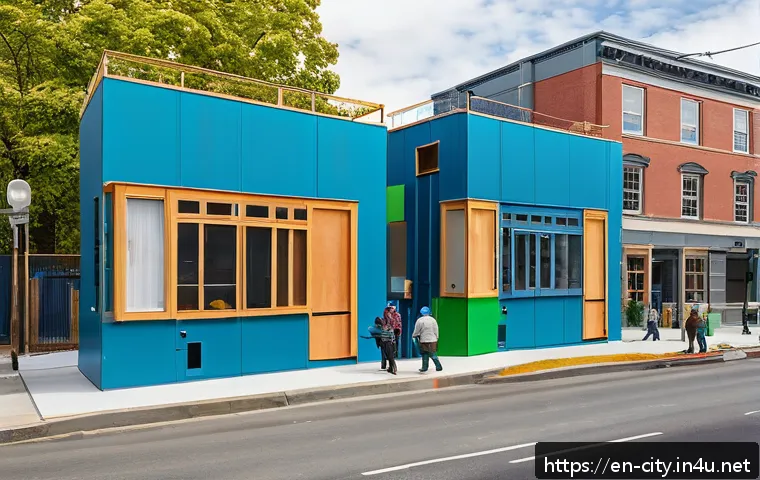
Future-proof infrastructure needs flexibility to adapt as cities evolve. Designing modular utilities or multi-use public spaces allows easier upgrades or changes in function.
I recall a park redesign that included embedded conduits for future fiber optic cables, saving future excavation costs. Planning with scalability in mind means anticipating shifts in technology, population, and climate impacts, which requires continuous learning and scenario planning.
Promoting Green Infrastructure Integration
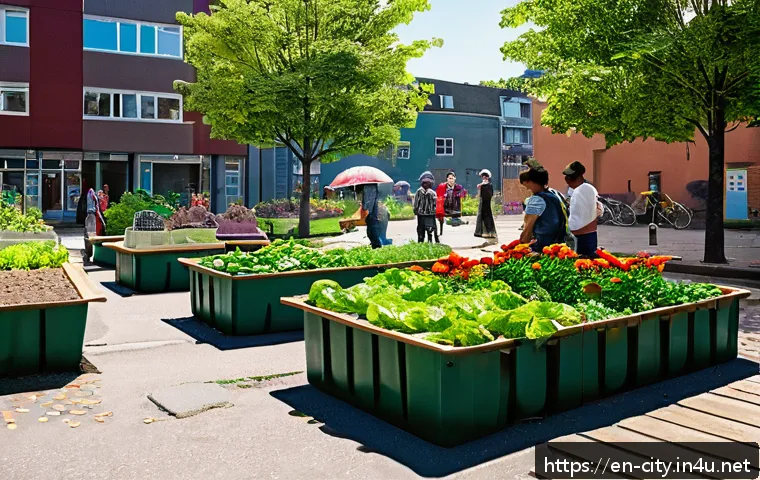
Integrating green infrastructure with traditional systems offers dual benefits of resilience and livability. Besides managing stormwater, green roofs and urban forests improve air quality and provide recreational spaces.
I’ve seen projects where collaboration between planners, landscape architects, and ecologists created multifunctional infrastructure that residents truly appreciate.
The challenge lies in securing funding and convincing stakeholders of long-term value beyond immediate costs.
Fostering Inclusive Urban Development
Engaging Diverse Voices
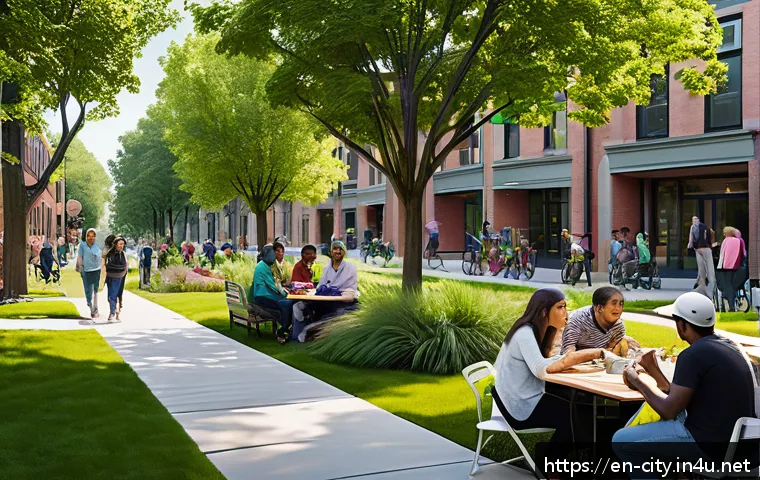
Inclusivity means more than inviting community input—it requires actively reaching underrepresented groups whose needs often go unheard. In several projects, engaging youth, elderly, and marginalized populations revealed distinct priorities such as accessibility, safety, or cultural spaces.
Tailoring engagement methods—like mobile workshops or digital platforms—helps overcome barriers like time constraints or distrust. This inclusive approach leads to more equitable outcomes and stronger community ownership.
Addressing Social Equity in Planning
Urban development can inadvertently reinforce inequalities if not carefully managed. I’ve seen how gentrification displaces long-term residents when new amenities attract wealthier populations.
Mitigating these effects involves policies like rent control, inclusionary zoning, and community land trusts. Evaluating social impacts alongside economic and environmental factors is essential for balanced planning.
It’s a complex, ongoing effort requiring vigilance and adaptation.
Building Partnerships for Social Programs
Urban planners can’t solve social challenges alone. Partnering with social service providers, schools, and healthcare organizations amplifies positive impacts.
For example, integrating affordable childcare centers within new developments supports working families and fosters community cohesion. Coordinated efforts ensure that physical spaces are complemented by necessary social infrastructure, creating healthier and more resilient neighborhoods.
Effective Communication and Stakeholder Coordination
Crafting Clear and Engaging Messages
Communicating complex urban plans in an accessible way is vital for gaining public support. I’ve learned that jargon-heavy presentations alienate people, while storytelling and visuals resonate more.
Using before-and-after renderings, interactive maps, or virtual reality tours helps stakeholders visualize changes. Personalizing messages to different audiences—residents, businesses, officials—also increases engagement and trust.
Building Trust Through Transparency
Trust doesn’t come automatically; it’s earned through openness about challenges, trade-offs, and uncertainties. In projects where unexpected delays or budget overruns occurred, proactively sharing updates and involving stakeholders in problem-solving helped maintain credibility.
Avoiding overpromising and acknowledging limitations fosters realistic expectations and collaborative spirit.
Coordinating Across Agencies and Sectors
Urban planning involves multiple players: government departments, utility companies, developers, and community groups. Aligning their timelines, priorities, and resources requires strong coordination.
I’ve found that regular interagency meetings, shared digital platforms, and clear leadership roles reduce conflicts and streamline processes. This collaborative framework speeds up implementation and improves outcomes.
| Challenge | Typical Impact | Effective Strategies | Key Stakeholders |
|---|---|---|---|
| Community Engagement | Misaligned plans, opposition | Repeated dialogues, informal outreach | Residents, planners, local leaders |
| Climate Resilience | Infrastructure failures, health risks | Green infrastructure, smart tech | Environmental agencies, utilities |
| Affordable Housing | Displacement, shortages | Innovative models, partnerships | Developers, nonprofits, policymakers |
| Infrastructure Upgrade | Service disruptions, inefficiency | Prioritized retrofits, scalable design | Public works, engineers, funders |
| Inclusive Development | Social inequity, exclusion | Targeted outreach, equity policies | Social services, community groups |
| Stakeholder Coordination | Delays, conflicts | Regular meetings, clear roles | Government, private sector, community |
In Closing
Urban development is a complex dance that requires balancing growth with community values, climate resilience, and inclusivity. Through thoughtful engagement, innovative solutions, and transparent communication, we can create cities that thrive both now and in the future. The challenges are significant, but with collaboration and persistence, sustainable and equitable urban environments are within reach.
Helpful Insights
1. Consistent community engagement uncovers deeper needs beyond initial feedback, helping to create plans that truly serve residents.
2. Integrating green infrastructure and smart technology enhances cities’ ability to withstand climate challenges effectively.
3. Exploring alternative housing models and fostering partnerships expands affordable housing opportunities.
4. Upgrading infrastructure with flexibility ensures cities can adapt to future demands and technological shifts.
5. Inclusive planning and clear stakeholder coordination build trust and prevent social inequities in urban growth.
Key Takeaways
Successful urban planning hinges on genuine community involvement, balancing economic growth with preserving neighborhood identity, and addressing climate and housing challenges with forward-thinking strategies. Transparent communication and multi-sector collaboration are essential to navigate competing interests and deliver resilient, equitable cities that improve quality of life for all residents.
Frequently Asked Questions (FAQ) 📖
Q: uestionsQ1: What are the biggest unexpected challenges urban planners face today?
A: Beyond the usual technical hurdles, urban planners often grapple with rapidly shifting community needs and environmental pressures that aren’t fully captured in initial project plans.
For instance, climate change effects like flooding or heatwaves can suddenly demand redesigns. Also, housing shortages force planners to balance density with livability, which isn’t easy when infrastructure is already stretched thin.
From my experience, these challenges require constant dialogue with local residents and flexible strategies rather than rigid blueprints.
Q: How do urban planners incorporate community input effectively?
A: Involving the community isn’t just about holding public meetings—it’s about building trust and truly understanding diverse perspectives. I’ve found that informal conversations, workshops, and even social media engagement often reveal concerns and ideas that formal channels miss.
The key is to listen actively and adapt plans to reflect what people really need, not just what seems ideal on paper. This approach not only improves project outcomes but also helps reduce resistance during implementation.
Q: Can traditional urban planning methods keep up with today’s fast-evolving city challenges?
A: Traditional methods provide a solid foundation, but relying on them alone often falls short in today’s dynamic urban environments. My hands-on projects showed me that planners must integrate new technologies, data analytics, and flexible zoning policies to respond quickly to changing conditions.
Creativity and adaptability become crucial—sometimes that means experimenting with pilot projects or temporary installations before committing to permanent changes.
It’s about blending proven practices with innovation to create resilient, future-ready cities.