In today’s fast-paced urban landscape, innovative city planning is more crucial than ever to create vibrant, livable communities. From revitalizing neglected neighborhoods to introducing green spaces that boost well-being, real-life projects are reshaping how we experience city life.
I’ve witnessed firsthand how thoughtful design can spark economic growth and foster social connections, turning challenges into opportunities. As we dive into these inspiring success stories, you’ll discover practical ideas that could influence the future of urban living everywhere.
Stick around—these transformations are more than just blueprints; they’re a blueprint for thriving communities.
Reimagining Urban Spaces Through Community-Led Design
Building Trust and Engagement from the Ground Up
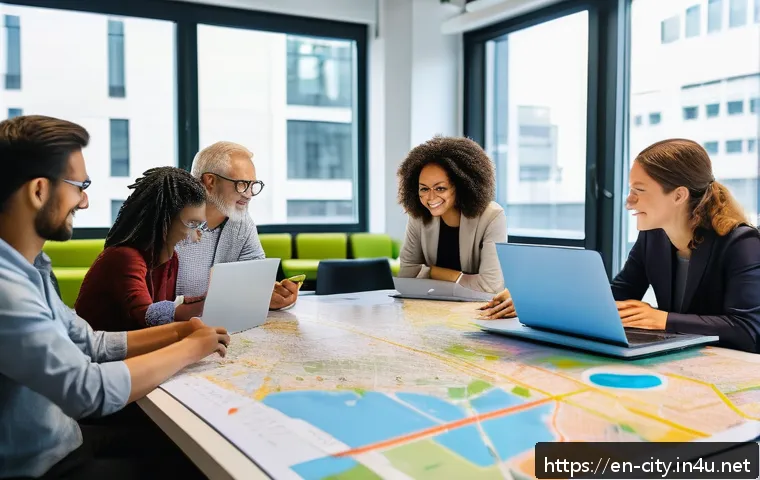
One of the most striking shifts in city planning today is the move away from top-down approaches toward community-led design. I’ve seen projects where planners genuinely involve residents from the start, not just as a formality but as partners shaping the vision.
This creates trust and ensures that solutions address real needs rather than assumptions. For instance, in several neighborhoods, local workshops and pop-up events invite residents to share ideas on everything from public transit improvements to park amenities.
This hands-on involvement transforms citizens from passive observers into active stakeholders, which is vital for long-term success. When people feel heard, they take ownership, leading to more vibrant, cared-for spaces.
Turning Vacant Lots into Vibrant Hubs
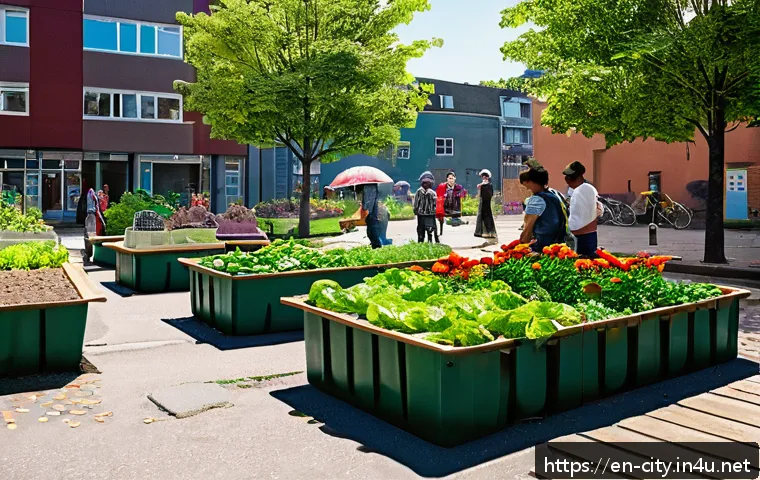
Vacant lots are often seen as eyesores or wasted potential, but with a community-first mindset, they can become focal points of urban revival. I’ve walked through areas where empty lots were converted into community gardens, weekend markets, or outdoor art galleries.
These transformations not only beautify the area but also spark social connections and small business opportunities. What’s fascinating is how these projects often start with modest investments but yield massive returns in terms of neighborhood pride and foot traffic.
Residents often pitch in to maintain these spaces, proving that when the community is involved, maintenance becomes a shared responsibility rather than a burden on city budgets.
Integrating Cultural Identity Into Public Spaces
Successful urban planning respects and amplifies local culture. I recall a project in a culturally diverse district where planners collaborated with artists, historians, and community elders to weave local stories into the fabric of new public spaces.
Murals, sculptures, and even the layout of plazas reflected the neighborhood’s heritage, creating a unique sense of place that residents and visitors alike could appreciate.
This approach does more than preserve history—it fosters intergenerational pride and strengthens social bonds, making public spaces feel like true community living rooms rather than generic, impersonal zones.
Green Infrastructure as a Catalyst for Health and Economy
Urban Parks as Wellness Destinations
The benefits of urban parks extend far beyond aesthetics. In my experience, parks designed with a focus on wellness become magnets for physical activity, mental relaxation, and social interaction.
Cities that have invested in trails, exercise zones, and shaded seating areas report not only improved public health outcomes but also heightened local business revenue, as visitors stay longer and spend more.
What’s more, parks designed with accessibility in mind welcome a broader demographic, from seniors to young families, creating inclusive environments that support diverse lifestyles.
Stormwater Management Meets Community Spaces
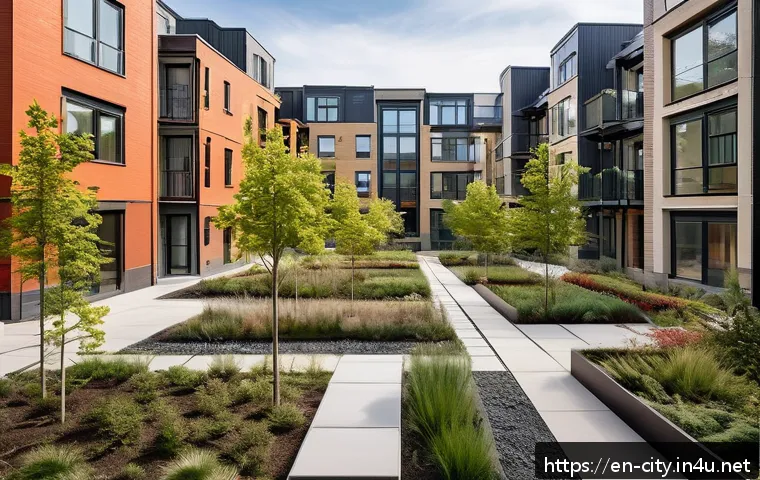
Innovative planners are increasingly integrating green infrastructure like bioswales and rain gardens into public spaces, turning environmental challenges into community assets.
I’ve seen neighborhoods where these installations reduce flooding while doubling as educational sites with signage explaining their ecological benefits.
This dual function raises environmental awareness and provides residents with tangible examples of sustainability in action. Additionally, these green features often enhance property values and attract eco-conscious businesses, creating a positive feedback loop for urban vitality.
Economic Impact of Urban Greening
There’s a clear economic ripple effect when cities commit to green infrastructure. Local businesses near green spaces often report increased foot traffic and sales.
Moreover, green projects tend to attract grants and private investment, boosting local economies. I remember one case where a city’s green corridor initiative led to a surge in new cafes, shops, and coworking spaces, turning a once-neglected area into a buzzing economic hub.
This proves that environmental stewardship and economic development are not mutually exclusive but can thrive hand in hand.
Data-Driven Approaches Enhancing Urban Mobility
Smart Traffic Management Systems
Cities adopting smart traffic solutions are seeing noticeable improvements in congestion and air quality. From real-time traffic signal adjustments to dynamic lane controls, these technologies optimize vehicle flow and reduce idle times.
I’ve personally experienced smoother commutes in cities that use such systems, where apps provide real-time updates on the best routes. The result is less frustration and more predictable travel times.
Importantly, these systems also gather valuable data that planners use to identify bottlenecks and plan future infrastructure upgrades more effectively.
Expanding Multimodal Transport Options
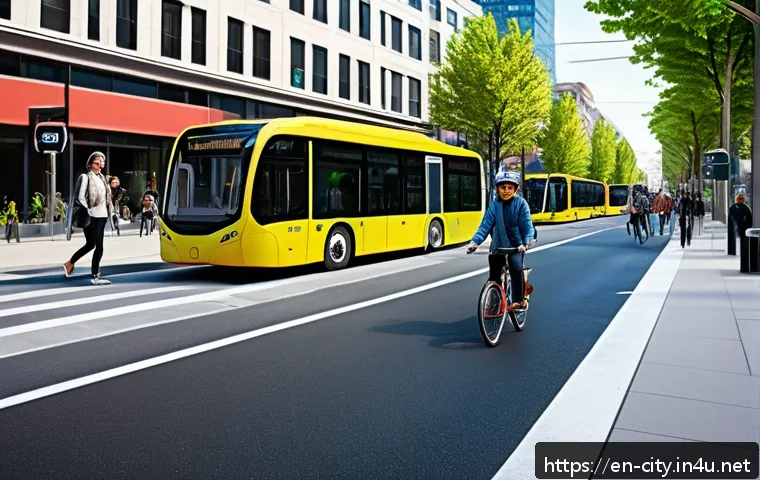
Encouraging residents to shift from cars to bikes, scooters, and public transit requires thoughtful planning and infrastructure investment. Cities that have invested in protected bike lanes, convenient transit hubs, and seamless payment systems see higher adoption rates.
I’ve noticed that when these options are safe, affordable, and reliable, people naturally embrace them. This shift not only cuts emissions but also enhances public health and reduces urban noise pollution.
The challenge is balancing the needs of different users while keeping transit affordable and accessible.
Using Data to Inform Equity in Transit
Data analytics help uncover transit deserts and accessibility gaps that might otherwise go unnoticed. I’ve reviewed reports where transit agencies analyze trip patterns and demographic data to ensure underserved communities gain better access to jobs and services.
These insights guide targeted service improvements, such as adding bus routes or adjusting schedules to match community needs. The impact is profound: when transit equity improves, economic opportunities expand, and social isolation decreases, fostering more inclusive urban environments.
Adaptive Reuse: Breathing New Life Into Old Structures
Preserving Heritage While Meeting Modern Needs
Adaptive reuse projects strike a delicate balance between preservation and modernization. In cities I’ve explored, old warehouses and factories have been transformed into trendy lofts, coworking spaces, and cultural centers without erasing their historical character.
This approach maintains architectural heritage while injecting new energy into neighborhoods. It’s always inspiring to see how these projects honor the past while providing functional, attractive spaces that meet today’s demands.
Economic and Environmental Benefits of Reuse
Repurposing existing buildings often costs less and generates less waste than new construction. I’ve spoken with developers who emphasize how adaptive reuse reduces material consumption and shortens project timelines.
Beyond sustainability, these projects frequently stimulate local economies by attracting creative industries and startups seeking unique spaces. The combination of environmental responsibility and economic vitality makes adaptive reuse an increasingly popular strategy among urban planners.
Community Involvement in Reuse Decisions
Successful adaptive reuse requires input from the community to ensure that new functions align with local needs. I’ve observed cases where public forums and design charrettes have shaped the reuse process, helping prevent gentrification and displacement.
When communities are actively involved, projects tend to foster inclusivity and resilience, creating spaces that feel welcoming and relevant rather than imposed or alien.
Public-Private Partnerships Driving Urban Innovation
Leveraging Private Investment for Public Good
Public-private partnerships (PPPs) have become a cornerstone of innovative urban projects. I’ve noticed that when cities collaborate effectively with private developers, they unlock resources that would be difficult to secure through public funds alone.
This can accelerate the delivery of infrastructure, affordable housing, and cultural venues. What’s key is transparency and clear agreements that protect public interests while incentivizing private participation.
Examples of Successful PPP Models
From mixed-use developments to transit-oriented projects, PPPs come in many forms. For example, some cities have partnered with tech companies to deploy smart city technologies, sharing data and infrastructure costs.
Others have worked with nonprofit organizations to develop affordable housing alongside commercial spaces. These models demonstrate that flexible, creative partnerships can tackle complex urban challenges more effectively than either sector working in isolation.
Risks and Mitigation Strategies
While PPPs offer many benefits, they also carry risks such as misaligned goals or community pushback. I’ve seen projects stall because of insufficient stakeholder engagement or unclear contracts.
Successful partnerships often involve third-party oversight, community advisory boards, and phased project delivery to manage risks. These safeguards help ensure that projects remain accountable and deliver genuine value to residents.
Comparative Summary of Urban Planning Innovations
| Innovation | Primary Benefit | Community Role | Economic Impact | Environmental Impact |
|---|---|---|---|---|
| Community-Led Design | Enhanced trust and tailored solutions | Active partner in planning | Boosts local business and pride | Promotes sustainable use of space |
| Green Infrastructure | Improved health and resilience | Shared maintenance responsibility | Attracts investment and visitors | Reduces flooding, improves air quality |
| Smart Mobility Systems | Reduced congestion and emissions | Informed by user data and feedback | Improves access to jobs and services | Encourages low-carbon transit options |
| Adaptive Reuse | Preserves heritage, meets modern needs | Community input shapes reuse | Stimulates creative industries | Minimizes construction waste |
| Public-Private Partnerships | Accelerated project delivery | Requires transparent engagement | Mobilizes private capital | Can incorporate sustainable tech |
Designing Public Spaces to Foster Social Connections
Creating Inviting Gathering Places
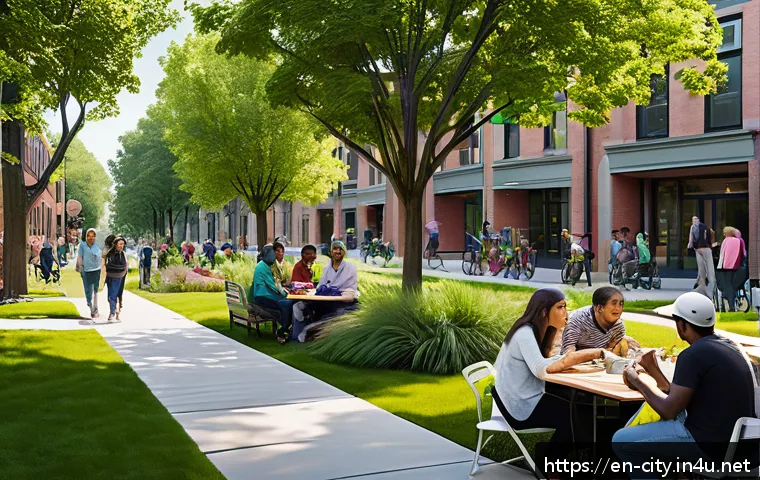
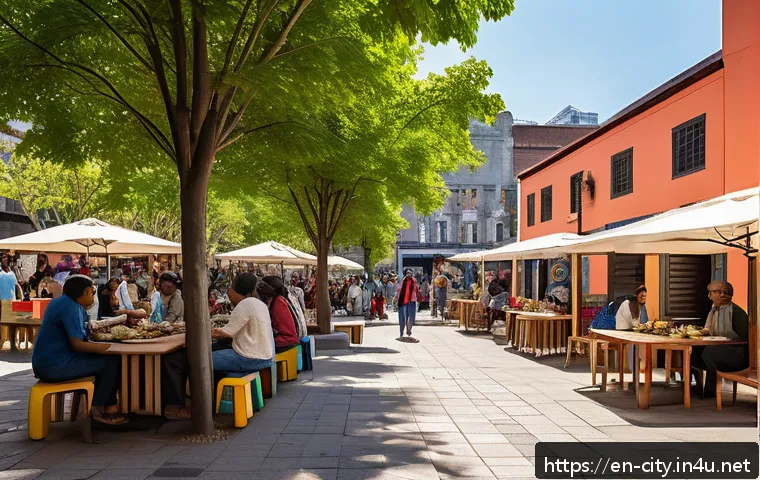
Public spaces that encourage social interaction are fundamental to community vitality. I’ve observed parks and plazas that prioritize comfortable seating, shade, and flexible layouts consistently attract diverse groups—from families to young professionals.
Features like movable chairs, interactive art, and food vendors create dynamic atmospheres that invite lingering and conversation. The best spaces feel welcoming, safe, and adaptable, allowing people to connect naturally without feeling forced.
Programming and Events as Social Glue
Activating public spaces with regular events—farmers markets, outdoor concerts, fitness classes—turns static areas into lively community hubs. I’ve attended neighborhood events that transformed quiet plazas into vibrant meeting spots where residents discover new friendships and local culture.
These programs also support small businesses and artists, creating a virtuous cycle of engagement and economic support. The key is consistent, inclusive programming that reflects the community’s character.
Designing for Inclusivity and Accessibility
For public spaces to truly foster social connections, they must be accessible to everyone. I’ve seen how incorporating universal design principles—ramps, tactile paving, clear signage—makes spaces usable by people with diverse abilities.
Moreover, considering cultural sensitivities in design choices ensures that spaces resonate with all community members. Inclusive design promotes a sense of belonging, encouraging more frequent and meaningful social interactions.
Technology Empowering Citizen Participation
Interactive Platforms for Urban Feedback
Digital tools are transforming how residents engage with city planning. Apps and online portals allow people to submit ideas, report issues, and vote on proposals conveniently from their phones or computers.
In cities I’ve observed, these platforms increase participation, especially among younger demographics who might not attend traditional meetings. The immediacy and transparency of these tools build trust and enable planners to respond faster to community needs.
Virtual Reality for Visualizing Projects
VR technology is increasingly used to help residents visualize proposed developments before construction begins. I’ve experienced VR walkthroughs that made it much easier to understand scale, design, and potential impacts compared to static drawings.
This immersive approach empowers residents to provide more informed feedback, leading to better-designed projects that reflect community preferences.
Challenges of Digital Equity
While technology offers many benefits, it also risks excluding those without reliable internet access or digital literacy. I’ve seen cities combat this by providing public kiosks, digital training programs, and maintaining traditional outreach methods.
Balancing innovation with accessibility ensures that citizen participation remains broad and equitable, strengthening the democratic process in urban planning.
Conclusion
Reimagining urban spaces through collaborative and innovative approaches is reshaping how cities thrive. When communities are genuinely involved and supported by smart design and technology, public spaces become more vibrant, inclusive, and sustainable. This holistic vision not only enhances quality of life but also drives economic growth and environmental resilience. Embracing these strategies paves the way for cities that truly reflect and serve their residents.
Useful Information to Keep in Mind
1. Community engagement is essential for creating urban spaces that meet real needs and foster a sense of ownership.
2. Green infrastructure offers both health benefits and economic opportunities while addressing environmental challenges.
3. Data-driven mobility solutions improve transit equity, reduce congestion, and promote sustainable transportation options.
4. Adaptive reuse balances heritage preservation with modern functionality, supporting local economies and sustainability.
5. Technology enhances citizen participation but must be accessible to ensure inclusive urban planning.
Key Takeaways
Successful urban transformation depends on inclusive, community-led design that integrates cultural identity and sustainable infrastructure. Leveraging data and technology enhances mobility and participation, while adaptive reuse and public-private partnerships accelerate innovation without sacrificing heritage or equity. Prioritizing accessibility and engagement ensures that urban spaces remain welcoming, vibrant, and resilient for all residents.
Frequently Asked Questions (FAQ) 📖
Q: uestionsQ1: How can innovative city planning improve the quality of life in urban neighborhoods?
A: Innovative city planning can dramatically enhance urban living by integrating green spaces, improving public transportation, and revitalizing neglected areas.
From my experience, thoughtful design not only creates more attractive and healthier environments but also encourages social interaction and community engagement.
For example, adding parks and pedestrian-friendly zones invites residents outdoors, fostering a sense of belonging and well-being that traditional concrete jungles often lack.
Q: What are some real-world examples where city planning has successfully boosted economic growth?
A: I’ve seen firsthand how revitalizing a rundown district with mixed-use developments—combining residential, retail, and office spaces—can stimulate local economies.
Cities like Portland and Austin have transformed old industrial zones into vibrant hubs, attracting new businesses and tourists. This kind of planning creates jobs, increases property values, and encourages investment, turning once-struggling neighborhoods into thriving economic centers.
Q: What challenges do urban planners face when trying to implement these innovative designs, and how can they be overcome?
A: One common challenge is balancing the needs of diverse stakeholders—residents, businesses, and government agencies—while managing budget constraints and regulatory hurdles.
From my observation, successful projects often involve extensive community engagement and transparent communication to build trust and gather input. Flexibility in design and phased implementation also help address unforeseen issues, making it easier to adapt and ensure long-term success.