In today’s rapidly evolving urban landscapes, carving out a successful career in urban planning requires more than just technical skills—it demands strategic growth and adaptability.
With cities facing unprecedented challenges like climate change, population shifts, and technological integration, urban planners must stay ahead to create sustainable, vibrant communities.
Whether you’re just starting or looking to elevate your career, understanding proven strategies can make all the difference. Let’s dive into practical insights that can help you navigate this dynamic field and achieve long-term success.
Stick around—these tips might just transform the way you approach your professional journey.
Building a Strong Professional Network in Urban Planning
Why Networking Is More Than Just Meeting People
Networking in urban planning isn’t about collecting business cards or adding random connections on LinkedIn. It’s about building genuine relationships with people who share your passion for creating better cities.
When I first started attending conferences, I realized that the most valuable conversations happened during informal chats rather than official sessions.
These interactions often led to collaborations or mentorship opportunities that weren’t advertised anywhere. The key is to engage meaningfully—ask questions, share your experiences, and show curiosity about others’ projects.
Over time, these connections turn into a support system that can open doors to new career opportunities or insights you might not find on your own.
Leveraging Professional Organizations and Events
Joining organizations like the American Planning Association (APA) or attending local urban planning meetups can significantly boost your career. These platforms provide access to workshops, certifications, and the latest industry trends.
I found that volunteering for committees within these groups helped me stand out and develop leadership skills. Plus, being active in such communities often leads to invitations to exclusive events or insider knowledge about upcoming projects.
Don’t underestimate the power of showing up consistently—it’s where trust and recognition are built.
Maintaining Connections in a Digital Age
With remote work and virtual conferences becoming the norm, maintaining your network requires intentional effort. I make it a habit to follow up after meetings with personalized messages or share relevant articles and reports that align with my contacts’ interests.
Using platforms like LinkedIn to engage with posts or join urban planning discussion groups also keeps you visible. But remember, digital connections should be nurtured just like in-person ones.
Scheduling occasional video calls or coffee chats can deepen relationships beyond surface-level interaction.
Mastering Emerging Technologies in Urban Planning
Getting Comfortable with GIS and Data Analytics
Geographic Information Systems (GIS) are indispensable tools in today’s urban planning world. When I first started using GIS software, it felt overwhelming because of its complexity.
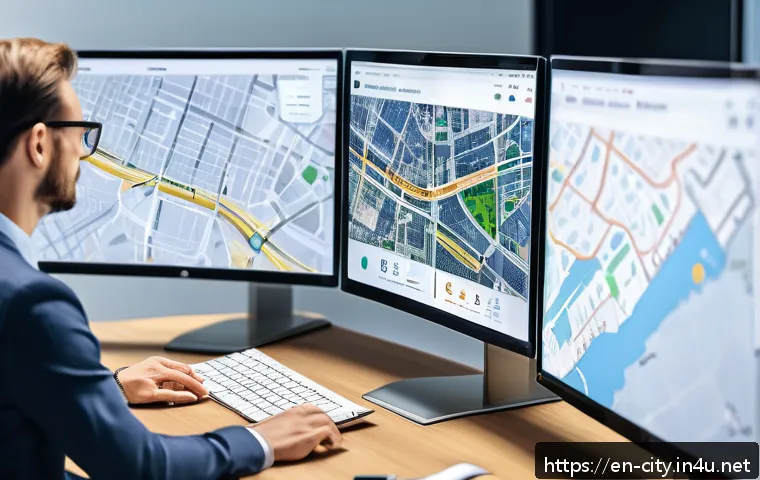
However, dedicating time to online courses and practical projects gradually turned it into one of my strongest assets. Understanding spatial data allows you to analyze patterns like population density, traffic flow, and land use more effectively.
This skill not only improves your project outcomes but also increases your value to employers who seek data-driven decision-making.
Exploring Smart City Innovations
Smart city technologies—such as IoT sensors, real-time traffic management, and energy-efficient infrastructure—are transforming urban environments. Staying informed about these trends is crucial.
I’ve noticed that planners who can integrate technology with traditional planning methods are often the ones leading innovative projects. Attending tech expos, subscribing to relevant journals, or even collaborating with tech startups can provide fresh perspectives and keep your approach cutting-edge.
Balancing Technology with Community Needs
While technology offers exciting possibilities, urban planning ultimately revolves around people. I’ve worked on projects where tech-heavy solutions overlooked local cultural or social nuances, leading to resistance or underuse.
Successful planners find a balance by involving community stakeholders early and ensuring that technological interventions enhance, rather than complicate, residents’ lives.
This approach builds trust and results in more sustainable, accepted developments.
Developing Leadership and Communication Skills
Communicating Complex Ideas Clearly
Urban planners often need to translate technical jargon into language that stakeholders, policymakers, and the public can understand. Early in my career, I struggled with this, but practicing storytelling techniques and using visuals like maps or infographics helped me connect better.
Effective communication isn’t just about clarity—it’s about persuasion and empathy. When people grasp the benefits and challenges of a plan, they’re more likely to support it.
Leading Multidisciplinary Teams
Planning projects usually involve architects, engineers, environmentalists, and government officials. Leading such diverse groups requires flexibility and emotional intelligence.
I learned that listening actively and acknowledging different viewpoints fosters collaboration. Setting clear goals and roles from the start minimizes confusion and keeps everyone aligned.
Leadership is less about authority and more about facilitating a shared vision.
Negotiating and Managing Conflict
Conflicts are inevitable in urban planning due to competing interests. Whether it’s developers wanting to maximize profits or residents advocating for green spaces, mediating these tensions is a critical skill.
I once faced a heated community meeting where emotions ran high. By remaining calm, validating concerns, and proposing compromise solutions, we turned a potential deadlock into a constructive dialogue.
Developing patience and diplomacy can transform conflicts into opportunities for stronger, more inclusive outcomes.
Continuing Education and Certifications
Choosing the Right Advanced Degrees
Pursuing a master’s degree or specialized certifications can accelerate your career but requires thoughtful selection. I opted for a Master of Urban Planning with a focus on sustainability, which aligned with my passion and market demand.
Research programs that offer practical experience, strong alumni networks, and alignment with your goals. Remember, the best degree is one that complements your strengths and fills your knowledge gaps.

Certifications That Boost Credibility
Certifications like the American Institute of Certified Planners (AICP) or LEED accreditation add weight to your resume and demonstrate commitment to professional standards.
I found preparing for these exams sharpened my understanding of regulations and best practices. Employers often prioritize candidates who hold recognized credentials, especially for senior roles or specialized projects.
Balancing Work and Learning
Continuing education can be challenging alongside a full-time job. I recommend setting a realistic schedule and leveraging online courses or evening classes.
Breaking down learning into manageable chunks prevents burnout and keeps motivation high. Also, applying new knowledge directly to your current projects reinforces learning and showcases your evolving expertise to supervisors.
Adapting to Shifts in Urban Demographics and Policies
Understanding Population Dynamics
Urban populations are constantly changing due to migration, aging, or economic shifts. I’ve seen how demographic analysis shapes everything from housing policies to transportation planning.
Staying updated with census data and local trends enables you to anticipate needs and advocate for inclusive solutions. Ignoring these shifts can lead to outdated plans that fail communities.
Navigating Regulatory Changes
Policies around zoning, environmental protection, and development incentives frequently evolve. When I first entered the field, I underestimated how quickly regulations could change project feasibility.
Building strong relationships with local government officials and regularly reviewing policy updates helps you stay compliant and proactive. Being adaptable in the face of new rules is a hallmark of a seasoned planner.
Incorporating Equity and Social Justice
Modern urban planning must address systemic inequalities. I’ve been involved in projects that prioritize affordable housing, accessible public spaces, and community engagement from marginalized groups.
Understanding the historical context and current disparities is essential. Planners who champion equity not only improve lives but also enhance social cohesion and resilience in cities.
Strategizing Career Moves and Personal Branding
Identifying Growth Opportunities
Career progression in urban planning isn’t always linear. I found that sometimes lateral moves to different agencies or private firms offered better exposure and skill development than climbing a single organizational ladder.
Keep an eye on emerging fields like climate adaptation or transportation innovation, which can open new pathways. Regularly reassessing your goals ensures you’re not stuck in a comfort zone.
Creating a Personal Brand That Reflects Your Values
Your reputation in urban planning is built on more than your resume. I invested time in sharing articles on social media, speaking at local events, and publishing blog posts about my projects.
This visibility attracted opportunities and positioned me as a thought leader. Authenticity is key—people connect with planners who clearly communicate their vision and values.
Preparing for Leadership Roles
If you aspire to senior or director positions, developing strategic thinking and business acumen is crucial. I recommend seeking mentorship from experienced leaders and taking courses in management or public policy.
Understanding budgeting, stakeholder management, and political navigation can set you apart when leadership openings arise.
| Career Development Aspect | Recommended Actions | Benefits |
|---|---|---|
| Networking | Attend industry events, join professional organizations, maintain digital connections | Access to opportunities, mentorship, collaboration |
| Technical Skills | Master GIS, explore smart city tech, balance tech with community input | Enhanced project outcomes, increased marketability |
| Leadership & Communication | Practice storytelling, lead multidisciplinary teams, manage conflicts | Stronger team cohesion, stakeholder buy-in |
| Education & Certification | Pursue advanced degrees, obtain certifications, balance learning with work | Improved credibility, career acceleration |
| Policy & Demographics | Monitor population trends, stay updated on regulations, promote equity | Relevant and inclusive planning |
| Career Strategy & Branding | Identify growth fields, build personal brand, prepare for leadership | Long-term career success, leadership readiness |
Closing Thoughts
Building a successful career in urban planning requires more than technical knowledge—it’s about fostering genuine connections, embracing new technologies, and continuously developing leadership skills. By staying adaptable and committed to lifelong learning, you can navigate this dynamic field with confidence. Remember, your passion and authenticity will drive both your personal growth and impact on the communities you serve.
Helpful Tips to Keep in Mind
1. Always prioritize meaningful interactions over quantity when networking; quality relationships create lasting opportunities.
2. Stay curious about emerging technologies but balance innovation with the needs and voices of local communities.
3. Communicate complex ideas with clarity and empathy to build trust and gain support from diverse stakeholders.
4. Choose education and certifications that align with your career goals and enhance your practical skills.
5. Regularly reassess your career path and personal brand to stay relevant and ready for leadership roles.
Key Takeaways
Successful urban planners combine technical expertise with strong interpersonal skills and a deep understanding of policy and community dynamics. Consistent networking, embracing technology thoughtfully, and effective communication are essential. Continuing education and adaptability to demographic and regulatory shifts ensure your work remains relevant and impactful. Lastly, strategic career planning and authentic personal branding help secure long-term success and leadership opportunities.
Frequently Asked Questions (FAQ) 📖
Q: uestions about Building a Successful Career in Urban PlanningQ1: What key skills should I focus on to advance my career in urban planning?
A: Beyond technical expertise like GIS and zoning laws, cultivating strong communication and problem-solving skills is essential. Urban planners often work with diverse stakeholders, so being able to clearly convey ideas and negotiate solutions makes a huge difference.
Additionally, staying updated on sustainability practices and emerging technologies, such as smart city innovations, will keep you competitive. From my own experience, blending these skills with real-world projects helped me gain trust and open doors to leadership roles.
Q: How can urban planners adapt to the challenges posed by climate change and population growth?
A: Adaptability starts with continuous learning and proactive thinking. Embracing interdisciplinary approaches, like collaborating with environmental scientists and community leaders, allows you to design resilient urban spaces.
I found that attending workshops focused on climate adaptation strategies and integrating green infrastructure into plans not only improved project outcomes but also positioned me as a forward-thinking professional.
Staying flexible and open to innovation is key in this fast-changing environment.
Q: What strategies are effective for networking and career growth in urban planning?
A: Building meaningful connections is more about quality than quantity. Participating in local planning associations, volunteering for community initiatives, and attending conferences can help you meet mentors and peers who share your passion.
Personally, I made it a point to engage in online forums and social media groups where industry trends are discussed. This approach not only expanded my knowledge but led to collaborative opportunities and job referrals, accelerating my career progression.