
Navigating the world of urban planning can feel overwhelming, especially when trying to find the right practical courses to boost your skills. Whether you’re a beginner eager to understand city design or a professional aiming to sharpen your expertise, choosing the right program makes all the difference.
With the increasing focus on sustainable development and smart cities, hands-on experience is more valuable than ever. I’ve explored various courses myself and found that the right training can open doors to exciting opportunities.
Let’s dive into the best urban planning practical courses available today and see which one fits your goals perfectly! I’ll guide you through all the details ahead.
Essential Foundations for Urban Planning Practice
Understanding the Basics of City Design
Getting a solid grip on city design principles is the first step toward mastering urban planning. When I first dipped my toes into this field, what struck me was how interconnected everything is—from land use and transportation to public spaces and environmental considerations.
A good practical course will break down these concepts, making them digestible and applicable. Look for programs that emphasize real-world case studies, allowing you to see how these principles play out in actual cities.
This approach helps you avoid feeling lost in abstract theory and instead builds confidence in making design decisions that truly impact communities.
Hands-On Skills in GIS and Mapping Tools
One thing I quickly realized is that no urban planner can escape the power of Geographic Information Systems (GIS). Courses that offer hands-on training in GIS software like ArcGIS or QGIS are invaluable.
Not only do these tools help you analyze spatial data effectively, but they also enhance your ability to communicate ideas visually. A course with practical exercises, like mapping demographic trends or land-use patterns, will give you a skill set employers are actively seeking.
From my experience, the more you practice with these tools in a guided environment, the more intuitive they become, making your workflow smoother and your plans more compelling.
Regulatory Frameworks and Policy Insights
Understanding zoning laws, building codes, and environmental regulations is crucial for any urban planner. I found that courses integrating policy analysis with practice help bridge the gap between planning concepts and legal realities.
These programs often include simulations or project work where you must apply local regulations to your plans, mirroring real-world challenges. This kind of training sharpens your problem-solving skills and prepares you to navigate the complex political and bureaucratic landscapes involved in city planning projects.
Specialized Training in Sustainable Urban Development
Green Infrastructure and Resilient Design
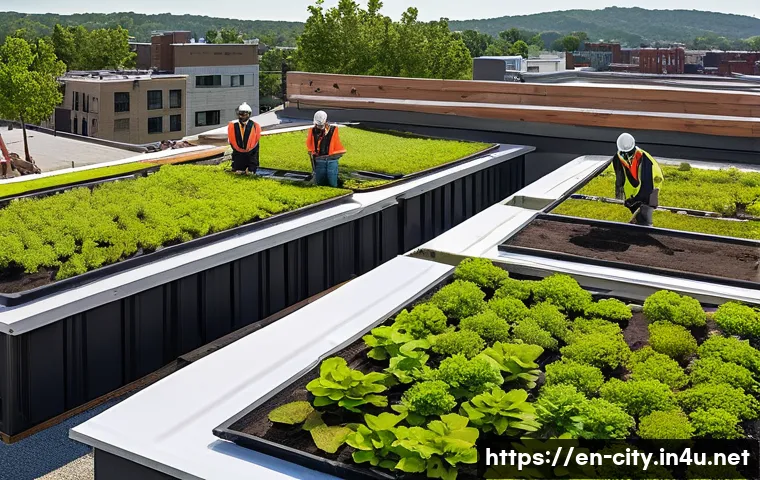
Sustainability isn’t just a buzzword anymore—it’s a necessity in urban planning. Courses focusing on green infrastructure teach you how to incorporate parks, green roofs, and water management systems that improve urban resilience.
I personally found these modules eye-opening because they shift the focus from just building cities to nurturing ecosystems within them. Learning how to evaluate the environmental impact and design for climate adaptability has made me feel more confident in contributing to future-proof projects.
Smart City Technologies and Data-Driven Planning
The rise of smart cities means urban planners must be comfortable with data analytics, IoT, and digital modeling. Programs that offer practical exposure to these technologies help you understand how sensors, data platforms, and AI can optimize traffic flow, energy consumption, and public services.
I took a course that included a project on smart mobility solutions, and it was fascinating to see how integrating technology can transform urban life.
This knowledge is increasingly sought after, especially by cities aiming to become more efficient and livable.
Community Engagement and Participatory Planning
Sustainable urban development isn’t just about the environment—it’s also about people. Effective courses teach you how to engage with communities, conduct workshops, and incorporate stakeholder feedback into your designs.
From my experience attending these sessions, you learn that successful planning requires empathy and communication skills alongside technical know-how.
This aspect often gets overlooked but is essential for creating spaces that truly serve their users.
Advanced Methods for Urban Analysis and Visualization
3D Modeling and Visualization Techniques
Visualizing urban projects in 3D can significantly enhance your presentations and planning accuracy. I’ve found that courses offering hands-on training with software like SketchUp, Rhino, or Autodesk Revit enable planners to create immersive models that stakeholders can easily understand.
These skills make it easier to spot design flaws early and communicate complex spatial relationships. The process of building these models yourself deepens your understanding of urban form and scale.
Big Data and Predictive Analytics in Planning
Big data analytics is becoming a game changer in urban planning by revealing patterns and trends that were previously invisible. Courses that cover data collection, processing, and predictive modeling provide a competitive edge.
I recall working on a project that used traffic and demographic data to predict growth areas, which helped me grasp how analytics can inform smarter planning decisions.
This capability is increasingly valuable for cities tackling rapid urbanization and resource constraints.
Interactive Mapping and Public Communication
Interactive maps and dashboards have become essential tools for public communication. Practical courses teaching these skills help you create user-friendly platforms that invite public participation and transparency.
When I applied these techniques, I noticed a marked improvement in stakeholder engagement and project buy-in. Learning to craft intuitive, interactive visuals ensures your planning efforts resonate beyond technical circles and reach the wider community effectively.
Career-Focused Workshops and Networking Opportunities
Portfolio Development and Real-World Projects
A strong portfolio is your ticket to landing urban planning jobs. I found workshops that focus on compiling your work into professional presentations incredibly helpful.
Look for courses that include mentorship and feedback on your projects, as this simulates actual client or employer expectations. Hands-on projects, especially those involving collaboration with local governments or nonprofits, add authenticity and depth to your portfolio.
Industry Connections and Mentorship
Networking is often overlooked in course selection but can be a game-changer. Programs that incorporate guest lectures, mentorship, and networking events connect you with experienced professionals and potential employers.

When I attended such events, I gained insights beyond textbooks—learning about industry trends, challenges, and career pathways. These connections sometimes open doors to internships and job offers that you won’t find on job boards.
Certification and Continuing Education Credits
Some courses offer certifications that bolster your professional credentials or count toward continuing education requirements. These certifications can signal your commitment and competence to employers.
I recommend choosing courses accredited by recognized planning associations, as they often carry more weight in the job market. Earning these credentials while gaining practical experience creates a winning combination for advancing your career.
Comparing Top Urban Planning Practical Courses
| Course Name | Focus Area | Duration | Hands-On Components | Certification | Estimated Cost |
|---|---|---|---|---|---|
| Urban Design Lab | City Design & GIS | 8 weeks | GIS mapping, site analysis | Yes | $1,200 |
| Sustainable Cities Program | Green Infrastructure & Resilience | 12 weeks | Eco-design projects, fieldwork | Yes | $1,500 |
| Smart Urban Solutions | Smart Cities & Data Analytics | 6 weeks | IoT simulations, data modeling | No | $900 |
| Community Planning Workshop | Public Engagement & Policy | 4 weeks | Stakeholder simulations, policy analysis | Yes | $700 |
| Advanced Visualization Course | 3D Modeling & Interactive Maps | 10 weeks | 3D modeling, interactive dashboards | No | $1,300 |
Strategies to Maximize Learning from Practical Courses
Active Participation and Project-Based Learning
From my experience, courses that encourage you to actively participate rather than passively watch lectures have the biggest impact. Engaging fully with assignments, group projects, and discussions allows you to internalize concepts and apply them creatively.
I always recommend choosing programs that offer real-life scenarios or simulations—you get to experiment and learn from mistakes in a safe environment, which accelerates your growth.
Balancing Theory with Real-World Application
While theory forms the backbone of urban planning knowledge, the practical application is where the real learning happens. I’ve found that the best courses strike a balance, linking conceptual frameworks to tangible outputs like plans, models, or policy briefs.
This approach helps you see the relevance of what you’re learning and prepares you to tackle actual challenges once you enter the workforce.
Leveraging Peer Feedback and Collaborative Learning
Learning alongside peers and exchanging feedback can enrich your understanding immensely. In courses where collaboration is encouraged, I noticed my perspectives broadened and my solutions improved.
Don’t hesitate to engage with classmates, share ideas, and critique work constructively. This interaction simulates professional teamwork and sharpens your communication skills, both essential for urban planners.
Choosing the Right Course Based on Your Career Stage
For Beginners: Building a Strong Foundation
If you’re just starting out, I recommend courses that cover fundamental concepts and introduce practical tools at a comfortable pace. Programs with clear step-by-step guidance, plenty of examples, and supportive instructors will help you build confidence.
Avoid jumping into highly specialized or advanced courses too soon; mastering the basics sets you up for success.
For Mid-Level Professionals: Specializing and Expanding Skills
Once you have some experience, look for courses that offer specialization in areas like sustainability, smart cities, or community engagement. These programs can help you deepen your expertise and stay current with industry trends.
Personally, taking specialized courses helped me pivot my career towards emerging fields and made me more marketable.
For Senior Planners: Leadership and Innovation Focus
Experienced planners might benefit most from courses that emphasize leadership, innovation, and strategic thinking. Workshops on policy leadership, advanced data analytics, or urban innovation provide tools to influence large-scale projects and guide teams.
These programs often include case studies from global cities, offering fresh perspectives to seasoned professionals seeking to make a broader impact.
Conclusion
Mastering practical urban planning skills is essential for creating vibrant, sustainable cities. By combining foundational knowledge with hands-on experience, you can confidently navigate the complexities of city design, technology, and community engagement. Whether you’re just starting out or advancing your career, choosing the right courses tailored to your goals makes all the difference in turning theory into impactful practice.
Useful Information to Keep in Mind
1. Active participation in practical exercises enhances your learning and builds real-world skills faster.
2. Balancing theoretical concepts with applied projects helps you understand how planning works in real communities.
3. Networking and mentorship opportunities within courses can open doors to valuable career connections.
4. Specialized training in areas like sustainability and smart technologies keeps you competitive in a rapidly evolving field.
5. Building a diverse portfolio with feedback from professionals increases your chances of securing desirable jobs.
Key Takeaways for Effective Urban Planning Training
Choosing courses that blend hands-on practice with strong theoretical foundations is crucial for success. Prioritize programs offering real-world case studies, technology training, and community engagement strategies. Seek out learning environments that encourage collaboration and provide mentorship to expand your professional network. Tailor your course selection to your career stage, focusing on foundational skills if you’re a beginner, specialization for mid-level professionals, and leadership for senior planners. This approach ensures you stay relevant and impactful in the dynamic urban planning landscape.
Frequently Asked Questions (FAQ) 📖
Q: What should I look for when choosing a practical urban planning course?
A: When selecting a practical urban planning course, focus on programs that offer real-world projects or case studies, as these provide hands-on experience that textbooks alone can’t deliver.
Also, check if the course covers current trends like sustainable development and smart city technologies, which are crucial in today’s planning landscape.
Courses taught by industry professionals or those that include mentorship opportunities tend to be more valuable. I found that courses with a balance between theory and application helped me grasp concepts better and apply them effectively in my work.
Q: Are online urban planning courses as effective as in-person classes?
A: Online courses can be just as effective, especially if they include interactive elements like live discussions, project feedback, and networking opportunities.
The flexibility of online learning lets you balance your studies with work or other commitments, which is a big plus. However, if you thrive on face-to-face interaction and site visits, in-person classes might suit you better.
From my experience, combining online courses with occasional in-person workshops or field trips offers the best of both worlds.
Q: How can practical urban planning courses help advance my career?
A: Practical courses boost your career by equipping you with skills that employers value, such as GIS mapping, zoning regulations, and sustainable design principles.
They often provide portfolio-worthy projects that showcase your abilities, which can make a big difference during job applications. I noticed that after completing a course focused on smart city planning, I was able to contribute more confidently to projects and even landed a role with greater responsibility.
Plus, many courses offer networking with professionals, opening doors to new opportunities.