Urban planning theory often paints an idealistic picture of how cities should grow, focusing on concepts like sustainability, zoning, and community engagement.
However, when stepping into the real world, planners face unexpected challenges such as political pressures, budget constraints, and rapidly changing demographics.
This gap between theory and practice can sometimes make implementing plans feel like navigating a maze rather than following a clear blueprint. Over time, I’ve noticed that blending flexible strategies with solid theoretical foundations often leads to better outcomes.
If you’re curious about how these differences really play out and what they mean for city development, let’s dive deeper into the details ahead!
Balancing Vision with Reality in Urban Development
Understanding Political Dynamics
Navigating the political landscape is often the trickiest part of urban development. While theory assumes a rational decision-making process focused on long-term benefits, real-world politics can skew priorities toward short-term wins or appeasing vocal interest groups.
From my experience working alongside city officials, I’ve seen projects delayed or altered because of shifting political agendas or power struggles between departments.
It’s not just about convincing stakeholders of a plan’s merits; it’s about timing, negotiation skills, and sometimes compromise that theory textbooks rarely emphasize.
Political buy-in can make or break a project, so successful planners learn to read the room, anticipate opposition, and build coalitions early on.
Budget Constraints and Funding Challenges
No matter how innovative or sustainable a plan may be, it often hits a brick wall when budgets come into play. The ideal budgets in urban planning models rarely reflect the tight financial realities cities face, especially when revenues fluctuate or unexpected expenses arise.
I recall a redevelopment project where we had to scale back green infrastructure elements because the allocated funds were diverted to emergency repairs elsewhere.
This juggling act between aspiration and affordability means planners must be pragmatic, prioritizing interventions that deliver the most impact per dollar spent.
Sometimes, creative financing methods like public-private partnerships or grant sourcing become essential tools to bridge the gap between vision and feasibility.
Adapting to Demographic Shifts
One of the most dynamic challenges in urban planning is adjusting to rapidly changing populations. Theory often assumes relatively stable growth patterns and predictable community needs, but in reality, cities are constantly evolving.
Migration trends, economic shifts, and cultural transformations can dramatically alter demand for housing, transportation, and public services. I’ve observed neighborhoods once planned as family-centric zones transform into vibrant hubs for young professionals or immigrants within just a few years.
This unpredictability requires flexibility in zoning codes and infrastructure design, allowing for adaptable uses and scalable solutions that can accommodate unexpected growth or decline without costly overhauls.
Community Engagement: Between Idealism and Practice
The Gap Between Participation Goals and Reality
Community engagement is championed as a cornerstone of modern urban planning, yet the reality is often more complicated. While theory promotes inclusive, deliberative processes where all voices are heard equally, actual public meetings can be dominated by a small, vocal minority.
I’ve witnessed situations where planners expected enthusiastic collaboration but instead faced skepticism or outright resistance fueled by mistrust or misinformation.
Successfully bridging this gap involves going beyond formal hearings—using outreach methods tailored to diverse populations, incorporating digital platforms, and fostering ongoing dialogue rather than one-off consultations.
Managing Conflicting Interests
Urban communities are rarely homogenous, and their varied priorities often clash. For example, a proposal for increased density might be welcomed by younger residents seeking affordable housing but opposed by long-term homeowners worried about traffic or school crowding.
As someone who has facilitated numerous community workshops, I can attest that reconciling these divergent views requires patience, empathy, and sometimes creative compromises.
Planners must act as mediators, clarifying trade-offs and highlighting shared benefits, rather than simply pushing a predetermined agenda.
Leveraging Technology for Engagement
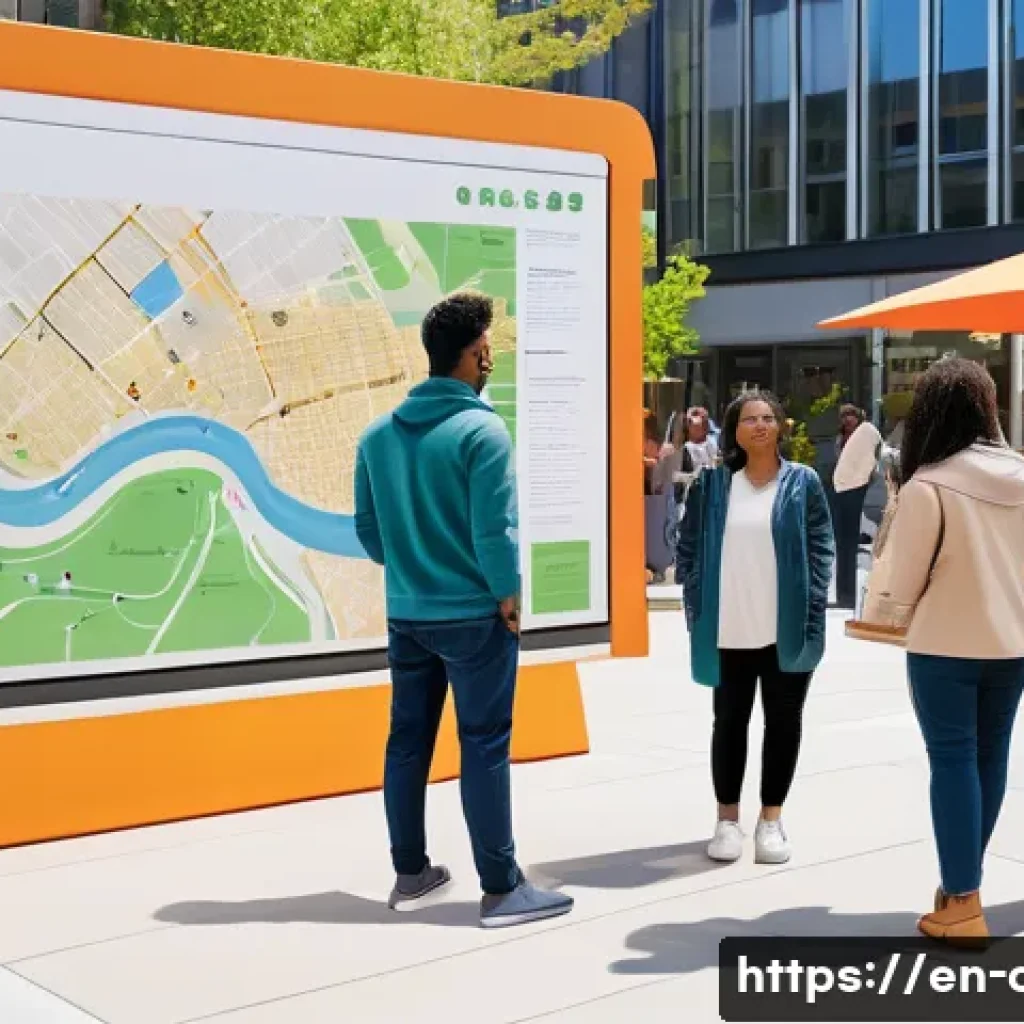
Recent advances in technology have opened new avenues for meaningful community involvement. Digital surveys, interactive maps, and virtual town halls can reach broader audiences, especially younger or harder-to-reach groups.
In my experience, these tools can supplement traditional methods by collecting richer data and fostering transparency. However, technology is not a panacea—it requires thoughtful implementation to avoid excluding those without reliable internet access or digital literacy, ensuring that engagement remains truly inclusive.
Flexibility in Planning: Embracing Uncertainty
Incremental Development as a Strategy
Rigid master plans rarely survive the test of time. Instead, incremental development—breaking down projects into manageable phases—allows cities to adapt to unforeseen changes.
I’ve seen this approach work well in revitalizing districts where initial investments in public spaces and infrastructure attracted private developers gradually.
This step-by-step evolution mitigates risk and provides opportunities to learn and adjust along the way, a nuance that many theoretical models overlook.
Scenario Planning and Contingency Measures
Incorporating multiple scenarios into planning processes helps prepare for diverse futures, from economic downturns to climate impacts. Although scenario planning is often discussed academically, putting it into practice requires additional effort and resources.
Based on my experience, successful planners use scenario exercises not only to anticipate challenges but also to communicate uncertainties effectively to stakeholders.
This builds resilience into urban strategies and fosters a culture of flexibility rather than rigid adherence to a single vision.
Legal and Regulatory Adaptations
Laws and regulations often lag behind evolving urban needs. For example, zoning codes can be slow to accommodate mixed-use developments or new mobility solutions like e-scooters.

I’ve encountered cases where outdated regulations stifled innovation, forcing planners to work closely with legislators to enact necessary reforms. Flexibility in legal frameworks is crucial to enable rapid responses to technological advances and shifting community demands.
Integrating Sustainability Beyond Buzzwords
Operationalizing Environmental Goals
Sustainability in urban planning is frequently framed in broad terms, but turning these ideals into measurable actions is challenging. From my perspective, success lies in embedding sustainability into everyday decision-making—whether that’s prioritizing green infrastructure, incentivizing energy-efficient buildings, or enhancing public transit.
These efforts require coordination across departments and continuous monitoring to ensure progress, which goes beyond what most theoretical models address.
Addressing Social Equity Within Sustainability
True sustainability includes social dimensions, ensuring that benefits reach marginalized communities. I’ve observed that projects focusing solely on environmental aspects without considering equity can inadvertently exacerbate inequalities.
For instance, green gentrification often displaces low-income residents. Integrating social justice requires planners to engage vulnerable populations actively and design interventions that protect affordable housing and access to amenities.
Measuring Impact and Adjusting Strategies
Sustainability is not a set-it-and-forget-it goal. I’ve found that continuous data collection—on air quality, energy use, or public health outcomes—is essential to evaluate interventions’ effectiveness.
This evidence-based approach allows cities to refine their strategies and demonstrate accountability to residents and funders alike.
Bridging Multidisciplinary Perspectives
Collaboration Across Fields
Urban planning intersects with architecture, engineering, economics, public health, and more. Effective projects often emerge from integrating these diverse perspectives.
In practice, I’ve worked on teams where open communication and mutual respect were vital to balancing technical feasibility with community values. This multidisciplinary collaboration enriches plans and helps anticipate unintended consequences.
Training and Capacity Building
Developing skills that transcend traditional planning boundaries is increasingly important. For example, understanding data analytics or climate science can empower planners to make more informed decisions.
I’ve seen agencies invest in ongoing education and cross-training, which enhances their ability to tackle complex urban challenges.
Using Data to Inform Decisions
Data-driven approaches are central to modern planning, yet their application can be uneven. In my experience, planners who leverage real-time data, GIS mapping, and predictive models tend to create more adaptive and targeted solutions.
However, the challenge lies in interpreting data within the context of local realities and avoiding overreliance on numbers at the expense of human factors.
Comparing Theory and Practice: Key Contrasts
| Aspect | Theoretical Perspective | Practical Reality |
|---|---|---|
| Decision-Making | Rational, consensus-driven, long-term focused | Influenced by politics, power struggles, short-term pressures |
| Budgeting | Optimistic, sufficient funding assumed | Constrained, often requires trade-offs and creative financing |
| Community Engagement | Inclusive, equal representation | Dominated by vocal groups, requires tailored outreach |
| Demographic Trends | Stable, predictable growth | Rapid, unpredictable shifts necessitating flexibility |
| Sustainability | Environmental focus, idealistic goals | Integrated with social equity, operationalized through measurable actions |
| Planning Approach | Fixed master plans | Incremental development, scenario-based, adaptable |
Concluding Thoughts
Urban development is a complex dance between visionary goals and practical realities. Balancing political dynamics, budget limits, and community needs requires flexibility and keen insight. Drawing from real-world experiences, it’s clear that successful planning depends on adapting strategies while keeping long-term sustainability and inclusivity at the core. Embracing uncertainty and fostering collaboration are key to creating resilient, vibrant cities.
Useful Information to Keep in Mind
1. Effective urban planning demands not only technical knowledge but also strong negotiation and communication skills to navigate political landscapes.
2. Budget constraints often require creative funding solutions like partnerships and grants to turn ambitious plans into reality.
3. Demographic changes can happen rapidly, so flexible zoning and infrastructure that can evolve over time are essential.
4. Genuine community engagement goes beyond meetings; it needs tailored outreach and ongoing dialogue to build trust and inclusion.
5. Integrating sustainability means addressing environmental goals alongside social equity to avoid unintended consequences like displacement.
Key Takeaways for Successful Urban Planning
Urban development thrives when planners balance visionary ideals with on-the-ground realities. This involves embracing incremental approaches, scenario planning, and adaptable legal frameworks to respond to changing circumstances. Prioritizing transparent, inclusive engagement and leveraging multidisciplinary expertise ensures plans are both feasible and equitable. Ultimately, embedding sustainability with a focus on measurable impact strengthens community resilience and fosters lasting positive change.
Frequently Asked Questions (FAQ) 📖
Q: Why is there often a gap between urban planning theory and real-world implementation?
A: The gap mainly exists because urban planning theory tends to focus on ideal scenarios—things like perfect sustainability, community consensus, and clear zoning laws.
But in reality, planners have to juggle political agendas, limited budgets, and swiftly changing populations. These practical hurdles force planners to adapt and sometimes compromise, making the process less straightforward than theory suggests.
From my experience, the key is to remain flexible and responsive to these on-the-ground realities while still holding onto core principles.
Q: How can planners effectively balance theoretical ideals with practical challenges?
A: Based on what I’ve seen firsthand, the best approach is blending a strong theoretical foundation with flexible strategies. For example, while sustainability goals are essential, planners might need to phase their projects or prioritize certain areas due to funding constraints or political pushback.
Engaging with local communities continuously also helps adjust plans as demographics shift. It’s about staying grounded in theory but nimble enough to pivot when circumstances demand it.
Q: What impact do political pressures have on urban planning outcomes?
A: Political pressures can significantly shape or even derail urban planning projects. Elected officials might prioritize short-term wins or specific interest groups, which can conflict with long-term planning goals.
I’ve noticed that when planners build strong relationships with policymakers and communicate the benefits clearly, it’s easier to align visions. Still, navigating politics requires patience and sometimes creative compromises to keep projects moving forward without sacrificing core objectives.