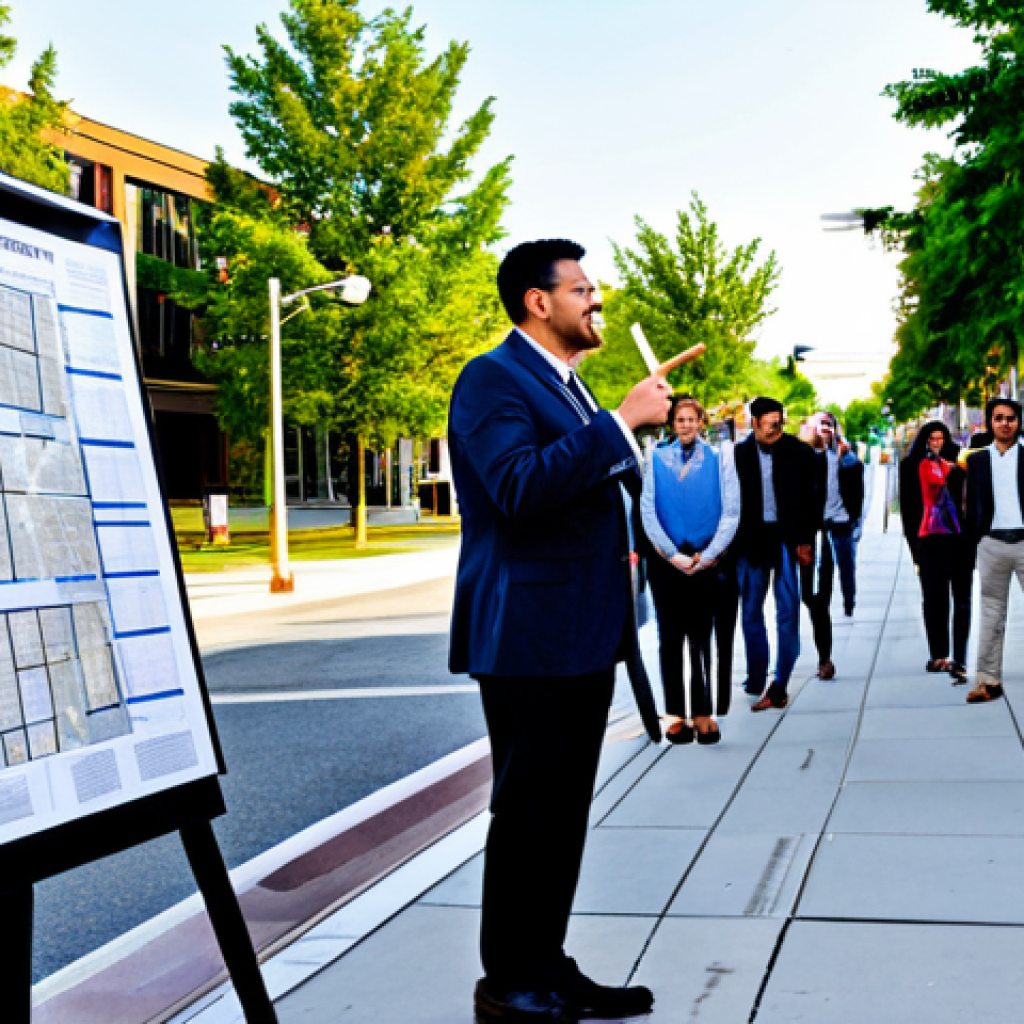
Urban planning, that fascinating dance between vision and reality, isn’t just about sketching pretty skylines. It’s deeply intertwined with a complex web of legal considerations.
Think about it: zoning laws dictating what can be built where, environmental regulations protecting our green spaces, and building codes ensuring structures are safe and sound.
I’ve seen firsthand how failing to navigate these legal waters can sink even the most ambitious development projects. As cities evolve to embrace mixed-use development and sustainable infrastructure based on recent trends and predicted future needs, the legal framework becomes even more intricate.
Ignoring these regulations is like trying to build a house on quicksand – it’s simply not going to stand. Let’s delve deeper and learn everything about the legal aspects of urban planning below.
Navigating the Zoning Labyrinth: A Developer’s Tightrope WalkZoning regulations are the gatekeepers of urban development. They dictate the permissible uses of land, the density of buildings, and even the aesthetic character of neighborhoods.
I remember working on a mixed-use project a few years back where we spent months just trying to get the necessary zoning variances. The original plan was to include a community center, but the zoning code had strict limitations on building height.
So, after many meetings, community forums, and revised plans, we finally got the green light to proceed. From my experience, the process of understanding and complying with zoning laws is not just a formality; it’s a fundamental aspect of responsible urban planning.
Subdividing Responsibilities: How Zoning Affects Housing Development
Aesthetic Harmony or Imposed Uniformity? Debating Design Review BoardsEnvironmental Impact Assessments: Weighing Progress Against PreservationUrban development inevitably has an impact on the environment.
Environmental Impact Assessments (EIAs) are legally mandated evaluations that identify potential environmental consequences of a proposed project. I once consulted on a highway expansion project that required a thorough EIA, which revealed potential disruptions to local wildlife habitats.
The project team had to come up with mitigation strategies, like building wildlife overpasses and restoring wetlands, to minimize the environmental impact.
Personally, I believe EIAs are not just bureaucratic hurdles; they’re crucial tools for ensuring that development is sustainable and ecologically responsible.
The Role of Wetlands in Urban Planning
Air Quality Considerations in Urban DevelopmentBuilding Codes and Safety Standards: Constructing with ConfidenceBuilding codes are the unsung heroes of urban development.
These detailed regulations specify the minimum standards for building design, construction, and materials, ensuring the safety and well-being of occupants.
I’ve seen firsthand how strict adherence to building codes can prevent disasters. During a recent renovation project, we discovered that the existing structure didn’t meet current seismic standards.
We had to reinforce the building’s foundation, which added to the cost and timeline, but it was a necessary investment in safety. For me, building codes are not just technical guidelines; they’re a moral obligation to protect lives and property.
Ensuring Accessibility for All: The Role of the Americans with Disabilities Act (ADA)
The Future of Fire Safety in High-Rise BuildingsPublic Participation and Community Engagement: Giving Voice to the PeopleUrban planning is not a top-down process; it requires the active participation of the community.
Public hearings, town hall meetings, and online surveys are essential tools for gathering input and addressing concerns from residents. I remember working on a project where the initial proposal was met with strong opposition from the community.
After several public meetings and revisions to the plan, we were able to incorporate the community’s feedback, resulting in a project that was more responsive to their needs.
In my opinion, public participation is not just a legal requirement; it’s a moral imperative to ensure that development benefits everyone, not just a select few.
The Importance of Transparency in Urban Planning
Using Technology to Enhance Public EngagementEminent Domain and Property Rights: Balancing Public Good with Private InterestsEminent domain is the power of the government to take private property for public use, even if the owner doesn’t want to sell it.
This is often a contentious issue, as it pits the public good against individual property rights. I recall a case where the city wanted to acquire a property to build a new transit station.
The owner was unwilling to sell, and the city initiated eminent domain proceedings. Ultimately, the court ruled in favor of the city, but the process was long and emotionally draining for everyone involved.
As I see it, eminent domain should be used sparingly and only when there is a clear and compelling public need. Just Compensation: Ensuring Fair Treatment for Property Owners
Alternatives to Eminent Domain: Negotiated Settlements and Land SwapsContract Law and Development Agreements: Defining the Terms of EngagementUrban development projects often involve complex contracts between developers, contractors, and government agencies.
These contracts outline the rights and responsibilities of each party, ensuring that everyone is on the same page. I once worked on a project where there was a dispute over the interpretation of a contract clause.
The parties ended up in court, which resulted in significant delays and legal expenses. In my view, clear and well-drafted contracts are essential for avoiding disputes and ensuring the successful completion of a project.
Managing Risk Through Contractual Provisions
The Role of Mediation and Arbitration in Resolving DisputesHere’s a table summarizing key legal considerations in urban planning:
| Legal Aspect | Description | Example |
|---|---|---|
| Zoning Regulations | Dictate land use, density, and building design. | Restrictions on building height in residential areas. |
| Environmental Impact Assessments (EIAs) | Evaluate potential environmental consequences of projects. | Assessment of a highway expansion’s impact on local wildlife. |
| Building Codes | Establish minimum standards for building safety. | Requirements for seismic reinforcement in earthquake-prone areas. |
| Public Participation | Involve the community in the planning process. | Public hearings on proposed development projects. |
| Eminent Domain | Government’s power to take private property for public use. | Acquisition of land for a new transit station. |
| Contract Law | Governs agreements between developers, contractors, and agencies. | Development agreements outlining project responsibilities. |
The Future of Urban Planning and the Law: Adapting to ChangeAs cities become more complex and face new challenges, the legal framework governing urban planning must evolve.
The rise of autonomous vehicles, the increasing importance of sustainability, and the growing demand for affordable housing all require new legal solutions.
I believe that the future of urban planning lies in embracing innovation and adapting the law to meet the needs of a changing world. Only by doing so can we create cities that are vibrant, sustainable, and equitable for all.
The Legal Implications of Smart City Technologies
Addressing the Affordable Housing Crisis Through Legal ReformNavigating the complexities of urban planning law is undoubtedly a challenging endeavor.
It requires a delicate balance of legal expertise, community engagement, and a deep understanding of the social and environmental implications. As urban areas continue to evolve, staying informed and adaptable is crucial for all stakeholders involved in shaping the future of our cities.
Concluding Thoughts
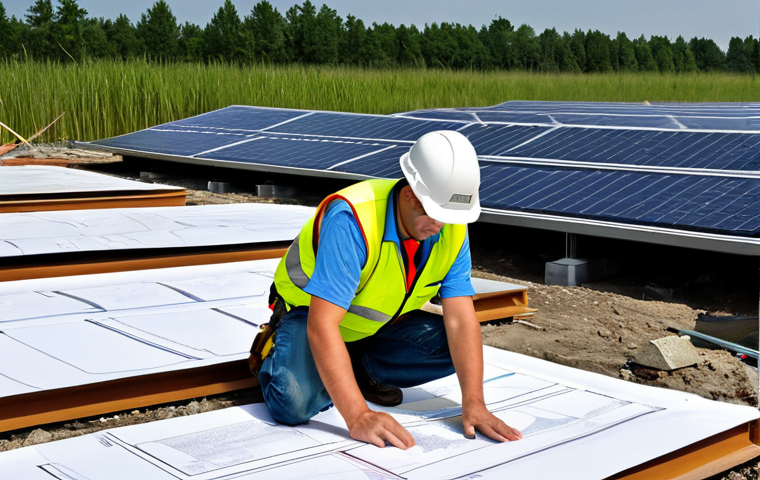
Having navigated these legal intricacies myself, I’ve come to appreciate the profound impact they have on the very fabric of our communities. From ensuring public safety through rigorous building codes to fostering community harmony through participatory planning processes, these laws are not mere obstacles but rather opportunities to build more vibrant, sustainable, and equitable urban spaces. It’s about fostering a shared vision and working collaboratively to bring it to life, brick by legal brick.
The legal landscape of urban planning is constantly evolving, and staying informed is crucial for navigating the complexities of development. Remember, urban planning is not just about bricks and mortar; it’s about creating spaces that enrich the lives of the people who inhabit them.
This is about understanding that every regulation, every assessment, and every contract plays a vital role in creating cities that are not only functional and efficient but also beautiful, livable, and inclusive.
So, as we continue to shape the urban landscape, let’s embrace the challenges, uphold the principles of fairness and sustainability, and strive to create cities that we can all be proud to call home.
Useful Information to Know
1. Know Your Local Zoning Codes: Familiarize yourself with the specific zoning regulations in your area. These codes dictate what types of buildings and activities are allowed on different properties. Many municipalities offer online resources or maps to help you understand zoning designations.
2. Attend Community Planning Meetings: Engage with your local community by attending planning meetings. These meetings provide a platform to learn about proposed developments, voice your opinions, and contribute to shaping the future of your neighborhood. You can find out about upcoming meetings through your local government’s website or by contacting your city council representative.
3. Consult with Professionals: When dealing with complex urban planning matters, such as development projects or property disputes, it’s wise to seek advice from qualified professionals. Attorneys, architects, and urban planners can provide valuable insights and guidance to help you navigate the legal and practical aspects of your situation.
4. Understand Environmental Regulations: Urban development projects often have environmental implications. Be aware of the environmental regulations that apply to your project, such as stormwater management requirements or restrictions on development in sensitive areas. Conducting environmental impact assessments can help identify and mitigate potential environmental impacts.
5. Stay Informed About Changes in the Law: Urban planning laws are subject to change as cities grow and evolve. Stay informed about any proposed or enacted changes to zoning codes, building codes, and other relevant regulations. Monitoring local government websites and subscribing to industry publications can help you stay up-to-date on the latest developments.
Key Takeaways
Understanding zoning regulations is crucial for any development project.
Environmental Impact Assessments (EIAs) are essential for sustainable development.
Building codes ensure the safety and well-being of occupants.
Public participation is vital for community-supported urban planning.
Eminent domain should be used sparingly and with just compensation.
Clear contracts are necessary for successful project completion.
Frequently Asked Questions (FAQ) 📖
Q: What are the most common legal challenges developers face when undertaking an urban development project, and how can they be proactively addressed?
A: Oh man, where do I even begin? I’ve seen so many projects get bogged down. Zoning disputes are a huge one, especially when you’re trying to get creative with mixed-use or push for higher density.
Then there’s the whole environmental impact assessment thing – trying to build near wetlands or in a sensitive ecological area? Good luck! And don’t even get me started on historical preservation hurdles.
The key, from what I’ve seen, is to start early and engage with the community. Get those lawyers involved from day one to navigate the zoning ordinances and environmental regulations.
Do your due diligence and be transparent about your plans. Proactive community engagement can address concerns early, and detailed environmental studies can identify potential pitfalls before they become deal-breakers.
It’s like, better to spend the money upfront on the legal and environmental research than get slapped with a stop-work order halfway through construction, right?
Q: How do zoning laws and land use regulations impact the types of businesses or housing that can be developed in a particular area? Can these regulations be changed or challenged, and what’s involved in that process?
A: Zoning laws are like the rulebook for what you can and can’t build in a specific area. They dictate everything from building height and density to the types of businesses allowed.
These regulations have a HUGE impact – they literally shape the community. Want to build a high-rise apartment building in a quiet residential neighborhood?
Forget about it. Thinking of opening a noisy factory near a school? Not gonna happen.
But, sometimes these laws feel outdated or unfair. And yes, you can challenge them, but it’s a battle. You might need to apply for a variance, which is basically asking for permission to deviate from the rules.
Or, if you think the entire zoning ordinance is flawed, you could try to get it amended. Both options require a lot of paperwork, public hearings, and often, a really good lawyer who knows their way around the local government.
I’ve seen neighborhoods passionately fight against rezoning efforts, so be prepared for a potentially long and contentious process. Think David versus Goliath, but with zoning codes.
Q: In what ways do environmental regulations affect urban planning and development, and what are some examples of sustainable development practices that can help projects comply with these regulations?
A: Environmental regulations are a HUGE deal in urban planning, and rightly so. They’re designed to protect our air, water, and natural resources, and they can seriously affect what you can build and how you build it.
Think about regulations related to stormwater runoff, protecting wetlands, or mitigating the impact on endangered species. You can’t just bulldoze through a forest without considering the environmental consequences.
Sustainable development practices are crucial for navigating these regulations. Things like using green building materials, incorporating green roofs and rain gardens, and designing energy-efficient buildings can all help.
For example, I saw a cool project where they built a new office building with a greywater recycling system. It reduced their water consumption and made them eligible for some sweet tax breaks.
Incorporating public transit options and encouraging walking and biking also helps reduce the environmental impact. Basically, it’s about thinking long-term and finding ways to build responsibly without screwing up the planet.
It’s better for everyone in the end, even if it requires some extra effort upfront.
📚 References
Wikipedia Encyclopedia